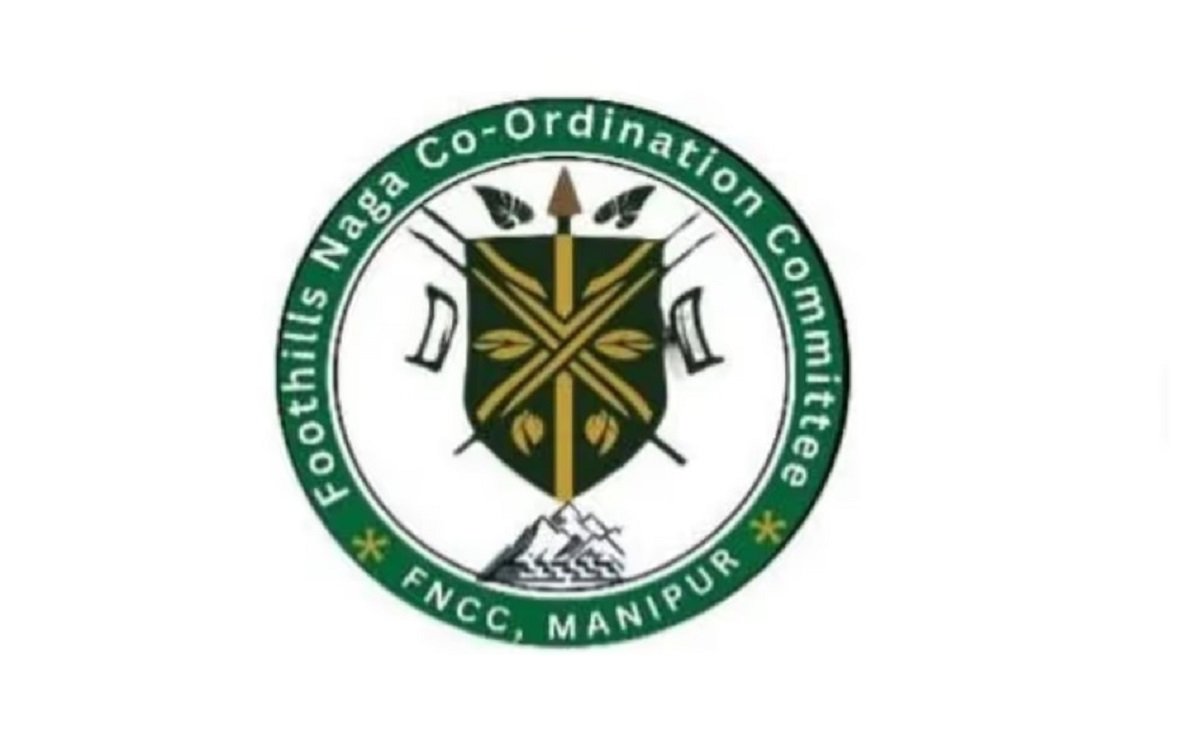
The Foothills Naga Co-ordination Committee (FNCC) has decided not to attend a meeting called by the Manipur Home Department on January 19, saying the government has failed to keep earlier commitments and has not taken action in recent violent incidents.
In a written communication addressed to the Commissioner (Home), Government of Manipur, the FNCC said it would not be possible for the organisation to take part in the meeting scheduled at the Manipur Secretariat in Imphal. The decision, it said, was taken after detailed discussions with joint tribes, councils and executives under its fold.
The FNCC said its main concern was the government’s failure to honour the three-point Memorandum of Understanding (MoU) signed on August 8, 2025. According to the committee, the assurances given in the MoU have not been implemented even months after it was signed. The organisation stated that this has led to a serious trust gap between the government and the people living in the foothill areas.
Another major reason cited by the FNCC was what it described as inaction against armed cadres allegedly involved in the recent Ireng incident. The committee claimed that instead of taking firm legal steps against those responsible, the government has chosen to invite affected groups for talks. The FNCC termed this approach “unfortunate” and said it sends a wrong message.
In its letter, the FNCC alleged that armed cadres of the KNF-P/UPF issued direct threats against Ireng Naga village on January 12. It said such actions amount to serious criminal offences and should be dealt with strictly under the law. The organisation listed provisions of the Indian Penal Code, including sections related to criminal intimidation, attempt to murder, promoting enmity between groups and criminal conspiracy.
The committee further alleged that no visible legal action has been taken so far, despite the seriousness of the matter. This, it said, has created a strong perception among the public that there is bias or silent support. The FNCC claimed that the government appeared more focused on holding discussions than ensuring arrests and prosecution of those accused.
The FNCC also raised objections to the manner in which the meeting invitation was sent. It said the invite was received through WhatsApp on January 18 and described it as poorly drafted. According to the organisation, the letter contained errors, including a wrong meeting year and incorrect mention of the secretariat’s name. The committee said such lapses reflect carelessness on the part of the authorities.
“Under these circumstances, participation in the proposed meeting is not possible,” the FNCC stated. It added that it would only consider attending talks after the rule of law is upheld, offenders are brought to justice, and the commitments made under the MoU are implemented fully and sincerely.