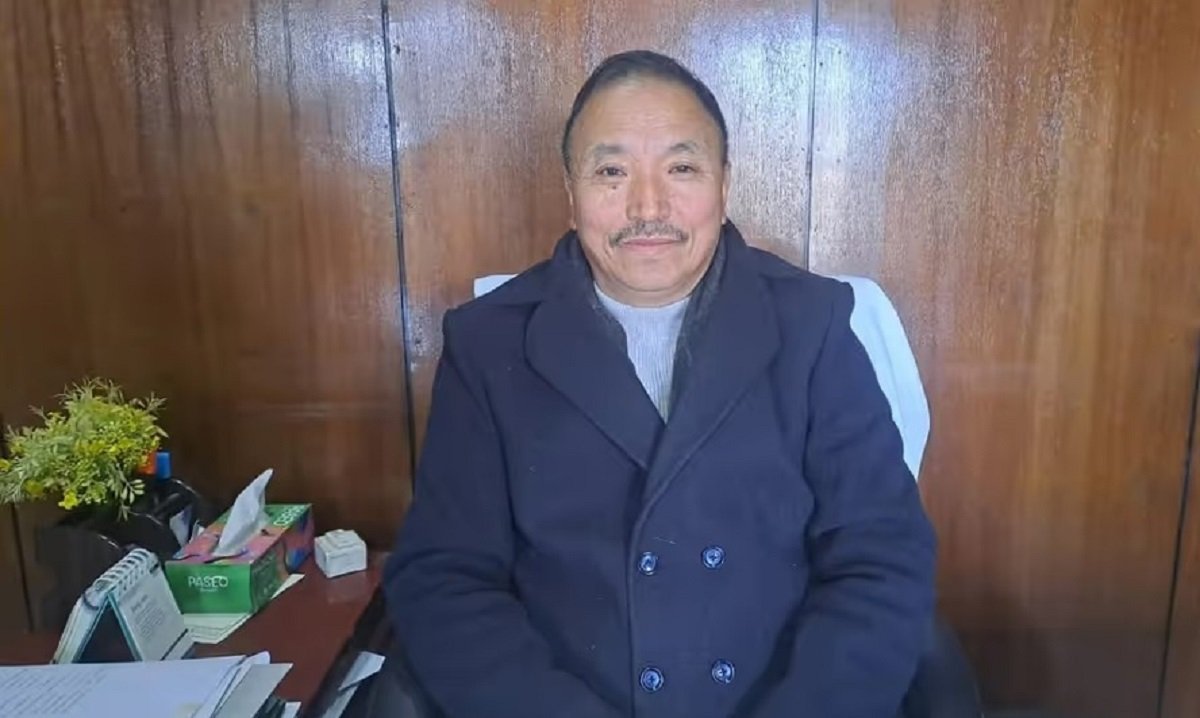
Nagaland Member of Parliament S Supongmeren Jamir has urged the Government of India to give priority to the proposed Foothills Road project, also known as the Trans–Nagaland Highway, saying the project is crucial for improving connectivity and supporting development across the state.Raising the issue in the Lok Sabha under Rule 377, Jamir appealed to the Centre to approve the long-pending project and ensure that adequate funds are allocated for its timely implementation.The proposed Foothills Road is planned to stretch for about 395 kilometres along the foothills bordering Assam. Once completed, the road is expected to significantly reduce travel time between several districts of Nagaland. It will also allow people to travel across the state without repeatedly crossing interstate boundaries, which often creates inconvenience for commuters.
According to Jamir, the highway will directly connect around 103 towns and villages across Nagaland. More than 11 lakh people are expected to benefit from the improved connectivity once the project is completed.He said the road will help link several interior districts with existing national highways and state roads. This improved connectivity is expected to support economic activities, enhance trade opportunities and contribute to the overall development of the region.The proposed alignment of the Foothills Road will pass through several districts including Peren, Chumoukedima, Dimapur, Niuland, Wokha, Mokokchung, Longleng and Mon. Many of these areas have rich natural and mineral resources but have long faced difficulties due to poor road connectivity.
Jamir informed the House that Detailed Project Reports (DPRs) for Phase-I of the project have already been prepared and submitted to the Union Ministry of Road Transport and Highways. Phase-I covers about 180.656 kilometres from Dimapur to Tuli and is estimated to cost around ₹3,284.06 crore.The total estimated cost of the entire Foothills Road project is around ₹9,000 crore.The Nagaland MP said that once the project is approved and completed, it will play an important role in strengthening connectivity across the state and improving access to remote areas.