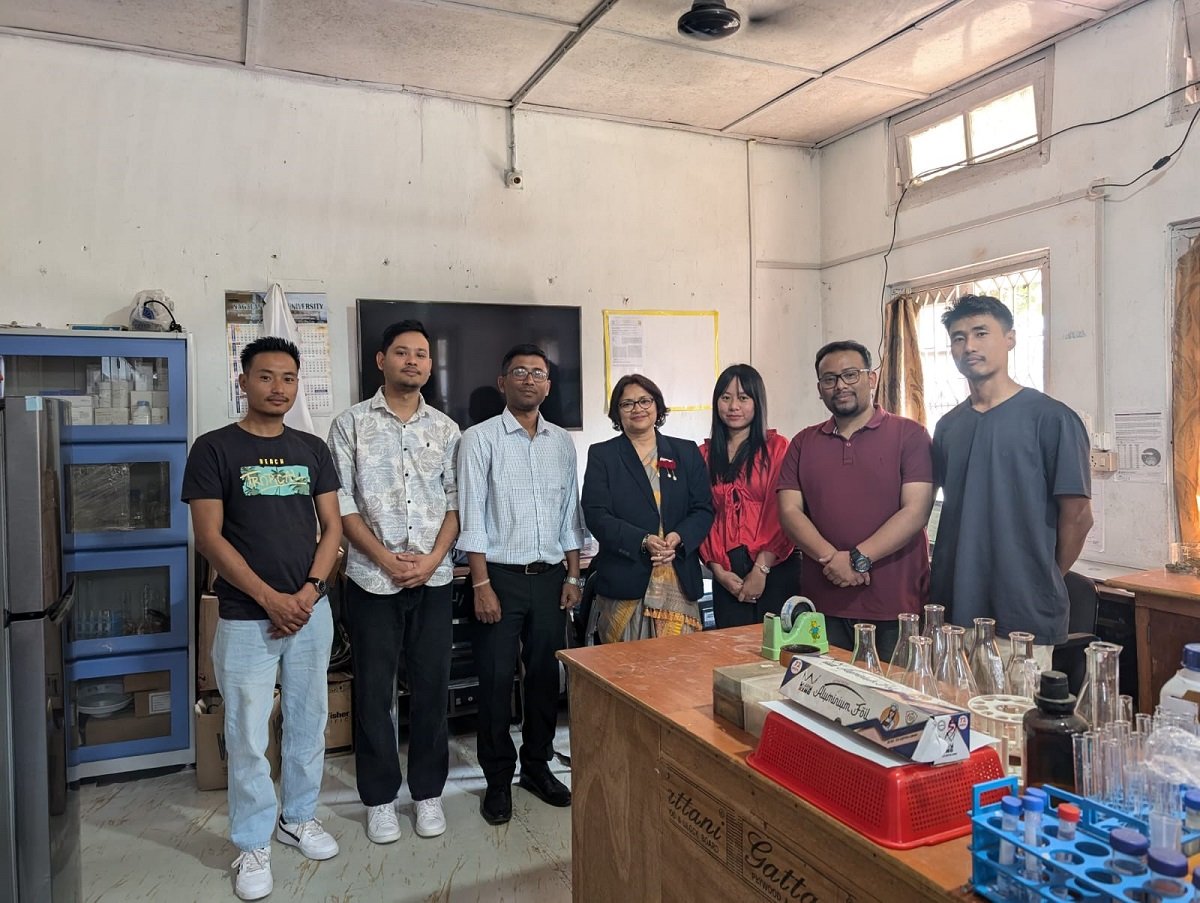
A research team led by Nagaland University has developed a biodegradable biopolymer known as Polyhydroxybutyrate (PHB), which provides an eco-friendly alternative to conventional plastics and addresses the critical issue of microplastic pollution. Microplastics, tiny plastic particles that harm ecosystems and enter the food chain, are a major environmental concern due to their accumulation and the risks they pose to human health.
The biopolymer was created using a bacterial strain called Bacillus subtilis FW1, isolated from fish waste disposal sites in Nagaland. PHB demonstrates significant advantages over petroleum-based plastics due to its biodegradability and biocompatibility. This research was published in the Journal of Polymer Research, emphasizing the importance of advancements in polymeric materials.
Led by Assistant Professor Dr. Pranjal Bharali, the study involved a collaborative effort with multiple Indian institutions, including Sathyabama Institute of Science and Technology and CSIR-North East Institute of Science and Technology. The findings showed that the bacterial strain could produce up to 69.2% PHB biopolyester and that the biopolymer possesses high thermostability, making it promising for various applications, including biomedical uses.
Dr. Bharali noted that this research could significantly contribute to reducing reliance on fossil fuel-based plastics and fostering a circular bioeconomy. The team aims to improve bacterial strain efficiency and optimize production methods to ensure that PHB can compete economically with traditional plastics while also lowering environmental pollution and carbon emissions. Future research will focus on utilizing low-cost, waste-based feedstocks in PHB production to enhance its viability as a sustainable material.