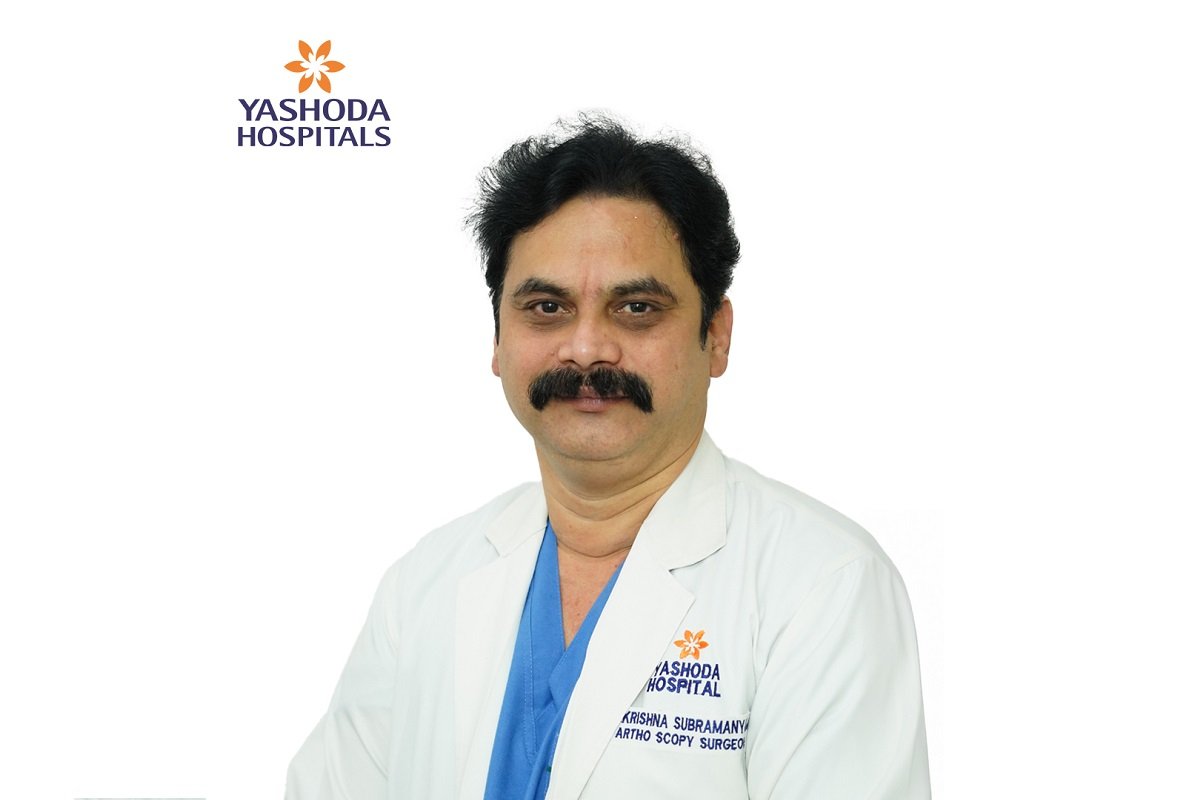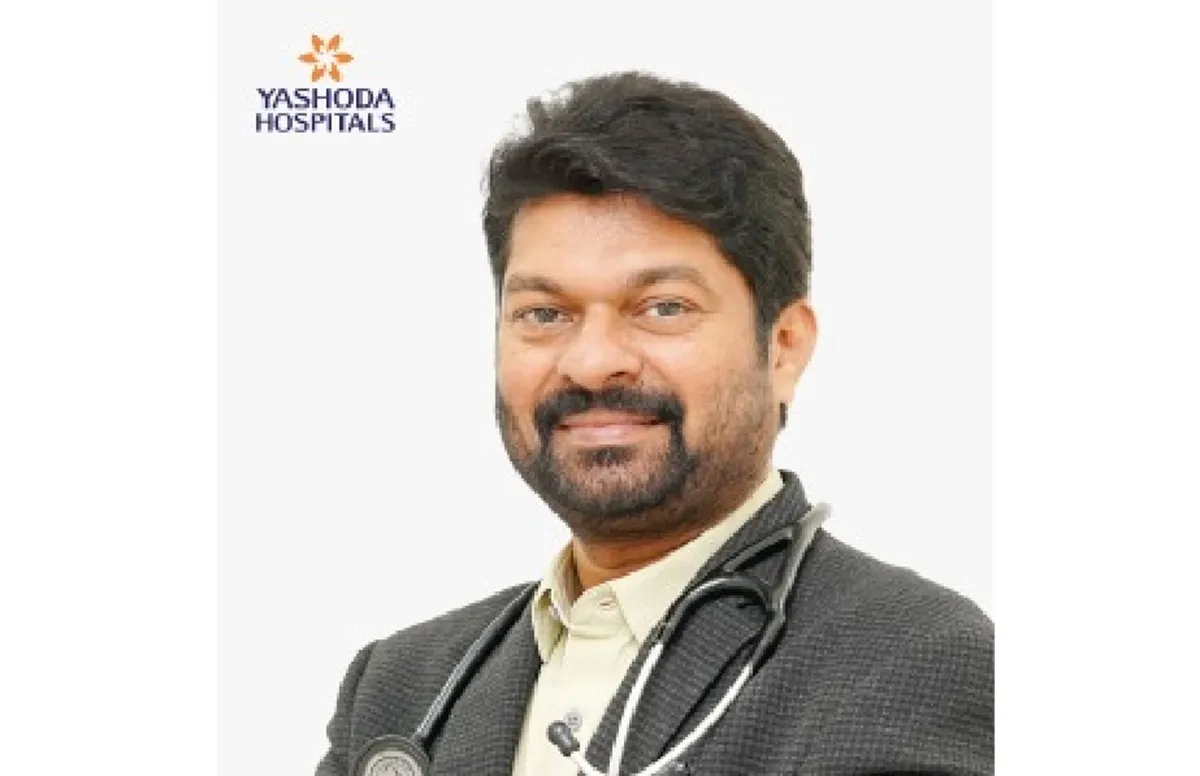
Dr. K. S. Somasekhar Rao, Sr.Consultant Medical Gastroenterologist & Hepatologist. Clinical Director, Yashoda Hospitals, Hyderabad. Says, It has long been believed that cirrhosis—a chronic liver condition marked by scarring of liver tissue—is permanent. Recent studies, however, show that the liver can regenerate and even cure itself under specific circumstances, offering new hope to patients with this serious condition.
Cirrhosis represents the final stage of progressive liver damage, often caused by autoimmune diseases, fatty liver disease, heavy alcohol use, and hepatitis B or C. Repeated injuries lead to scar tissue that impairs liver function and can result in life-threatening complications. For many years, liver transplantation was considered the only effective treatment for end-stage cirrhosis, but it raises serious concerns, including donor shortages and the need for lifelong immunosuppressive therapy. To book an appointment, please call [08065906114 / 08065906179] or book online at https://www.yashodahospitals.com/
Recent research shows that cirrhosis can be reversed with prompt and appropriate therapies. The liver’s remarkable regenerative capacity, driven by hepatocytes, allows damaged tissue to heal once the underlying cause is addressed. Reversal depends on factors like the severity of liver damage, the cause of cirrhosis, and the presence of complications such as portal hypertension or liver cancer. Early detection and intervention are crucial, as cirrhosis is more likely to reverse in its initial stages.
Dr. K. S. Somasekhar Rao shares, Treatment strategies include lifestyle changes—such as quitting alcohol and losing weight—for fatty liver disease; antiviral drugs for viral hepatitis; and transarterial chemoembolization for liver cancer. Non-invasive tools like Fibroscan enable early fibrosis detection and routine monitoring, reducing the need for repeated biopsies while improving treatment response tracking. Liver transplantation remains essential when other therapies fail or the disease is advanced. Advances in transplantation technology, including living donor transplants and improved post-transplant care, have enhanced access and outcomes.
In summary, while cirrhosis was once considered irreversible, emerging evidence shows it can be reversed with early diagnosis and targeted therapy. Raising awareness of liver disease causes and promoting early detection can reduce liver-related mortality, prevent the need for transplants, and improve patient outcomes and quality of life. Dr. K. S. Somasekhar Rao, Sr.Consultant Medical Gastroenterologist & Hepatologist. Clinical Director, Yashoda Hospitals, Hyderabad.will visit every month on to provide specialized consultations and care at our center in Guwahati. To book an appointment, please call [08065906114 / 08065906179] or book online at https://www.yashodahospitals.com/