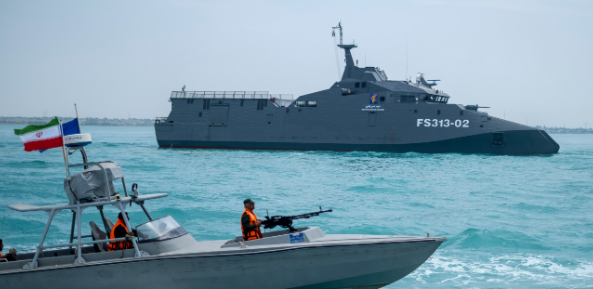
In a significant diplomatic maneuver to break the West Asia stalemate, Iran has submitted a fresh two-stage peace proposal to the United States through Pakistani mediators on Monday, April 27, 2026. The centerpiece of the offer is Tehran’s willingness to end its maritime “chokehold” on the critical Strait of Hormuz—a vital artery for 20% of the world’s oil—provided the U.S. immediately lifts its naval blockade of Iranian ports and agrees to a permanent end to the war. Most notably, the proposal suggests deferring contentious negotiations over Iran’s nuclear program to a later stage, prioritizing the immediate restoration of global energy trade and a long-term extension of the current ceasefire.
While the White House has acknowledged receipt of the proposal, President Donald Trump has expressed skepticism, reiterating his “America First” stance and insisting that any final deal must include the verifiable removal of Iran’s enriched uranium stockpile. Despite the President recently canceling an envoy trip to Pakistan, he described the latest Iranian message as “much better,” though he emphasized that he holds “all the cards” given the airtight blockade currently choking Iran’s economy. The stalemate persists as Iranian Foreign Minister Abbas Araghchi travels to Russia to consult with President Vladimir Putin, while global oil markets remain on edge, fluctuating near $108 per barrel in anticipation of a potential breakthrough or a return to hostilities.
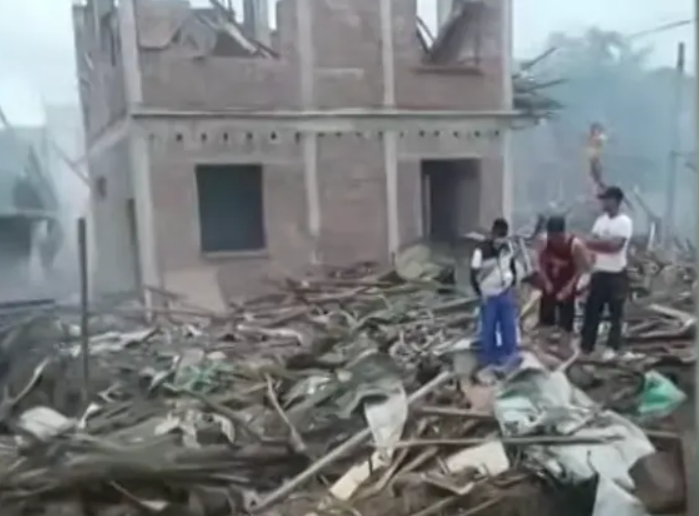
The stakes remain exceptionally high as the regional death toll from the conflict continues to climb, with over 3,300 reported fatalities in Iran and significant losses in Lebanon. Although a separate ceasefire between Israel and Hezbollah has been extended by three weeks, the broader U.S.-Iran conflict hinges on whether Washington will accept a “trade-first, nuclear-later” framework. With President Trump scheduled to hold a Situation Room meeting on Monday afternoon, the international community is watching closely to see if this “once-in-a-generation” diplomatic opening will lead to a stabilized global energy market or if the naval blockade will continue until Tehran makes deeper nuclear concessions.