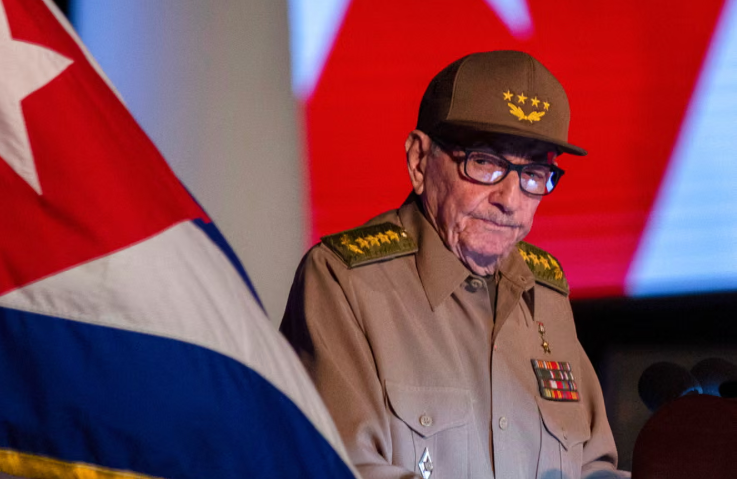
The United States Department of Justice has unsealed a major federal criminal indictment against Cuba’s 94-year-old former president, Raúl Castro, and five other regime officials, sharply escalating Washington’s aggressive campaign to topple Havana’s six-decade-old communist government. Filed in the U.S. District Court for the Southern District of Florida, the indictment charges Castro—who served as Cuba’s defense minister at the time—with conspiracy to kill U.S. nationals, four counts of murder, and two counts of destruction of aircraft. The case centers on the February 24, 1996, shoot-down of two unarmed, civilian Cessna planes operated by the Miami-based exile humanitarian group “Brothers to the Rescue,” which resulted in the deaths of four men, including three U.S. citizens, over international waters in the Florida Straits. Acting Attorney General Todd Blanche emphasized that the passage of time does not erase murder, noting that the administration expects Castro to answer the charges in Miami, drawing clear historical parallels to the forced capture and extradition of Venezuelan leader Nicolás Maduro by U.S. forces earlier this year.
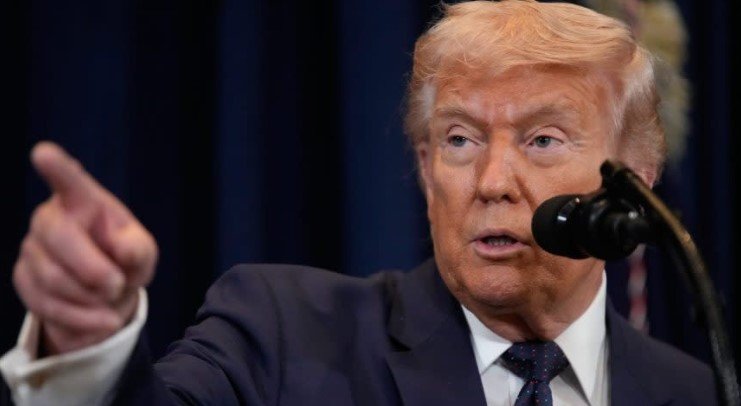
The high-stakes legal maneuver coincides with severe economic and geopolitical pressures targeted at the island nation. Following the announcement, the U.S. military confirmed that the aircraft carrier USS Nimitz and its strike group had entered the southern Caribbean Sea, signaling a heavy visual deterrent as U.S. Secretary of State Marco Rubio tightened fuel restrictions, worsening an island-wide energy crisis marked by rolling blackouts. President Donald Trump remarked that the communist state is “falling apart” and losing control, though he stopped short of confirming direct military intervention. Meanwhile, Cuban President Miguel Díaz-Canel fiercely condemned the indictment as a fabricated political stunt, accusing Washington of manipulating a decades-old airspace violation to fabricate an excuse for an illegal military invasion.