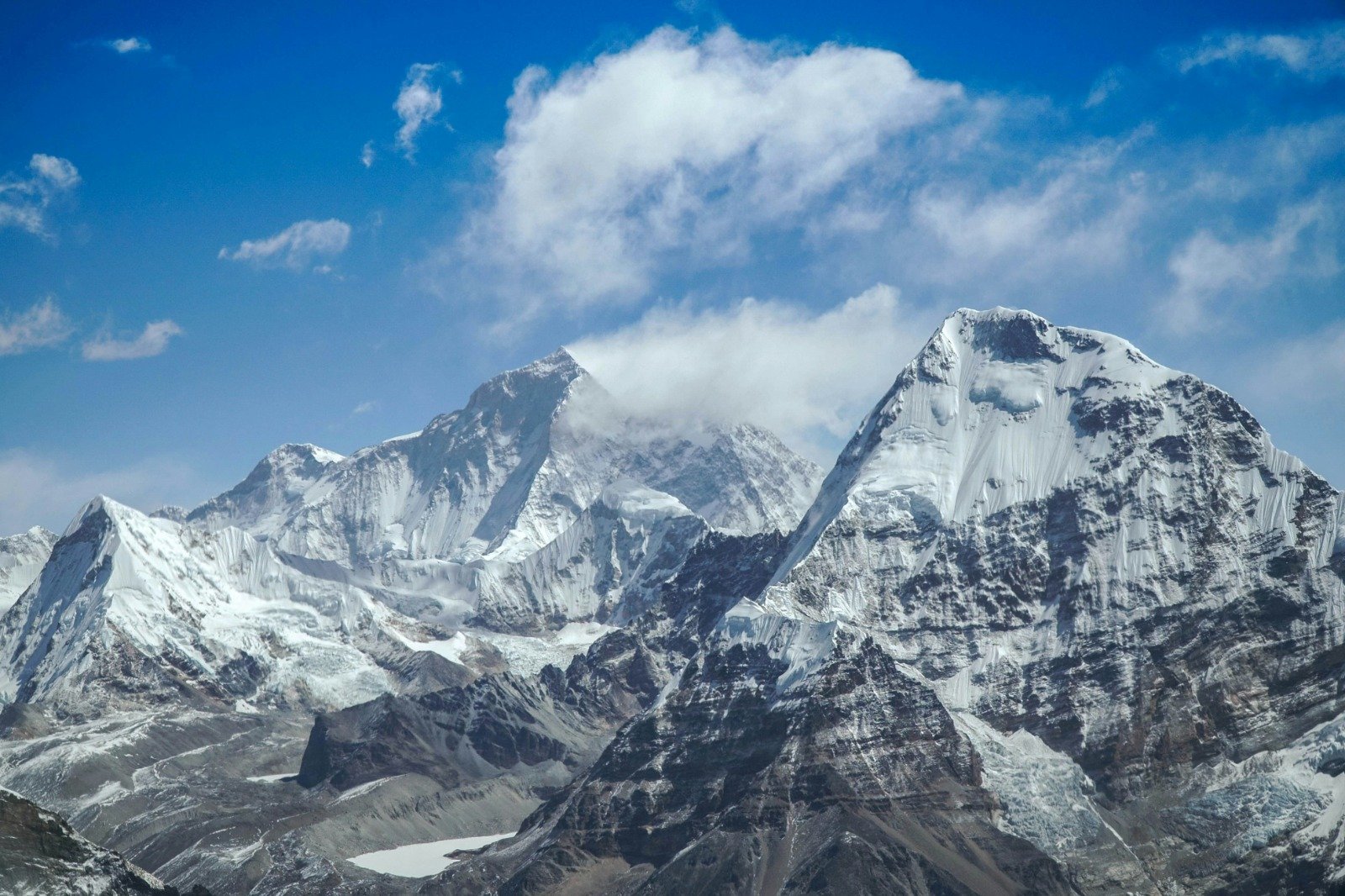
The western Himalaya is emerging as India’s most climate-sensitive Himalayan sector, with faster warming and substantially greater snow loss projected under rising emissions, according to a 2026 study published in the Journal of Earth System Science.
The study, led by Birla Institute of Technology (BIT), Mesra, with the Indian Institute of Tropical Meteorology (IITM), Pune, and Ashoka University, analysed 120 years of temperature data from 1901–2020 and projections from eight global climate models through 2100. It found winter warming of 1.06°C in the western Himalaya, compared with 0.96°C in the central and 1.09°C in the eastern sector. Under a high-emission pathway, western Himalayan winters could be 7.18°C warmer by 2081–2100.
Spring snow loss could reach 95.9 kg per square metre in the west by the end of the century, compared with 11.1 kg in the east. Night-time temperatures are also rising faster than daytime temperatures in the western and central Himalaya, potentially accelerating snow and ice melt.
In Guwahati, the findings carry longer-term implications for Assam because the eastern Himalaya feeds the Brahmaputra basin. Changes in snow, glaciers and seasonal water flows could affect agriculture, fisheries, hydropower, logistics and other water-dependent economic activities across the region, creating potential risks for businesses and supply chains.
The researchers called for stronger climate monitoring, early-warning systems, sustainable water management, region-specific adaptation policies and community resilience measures.