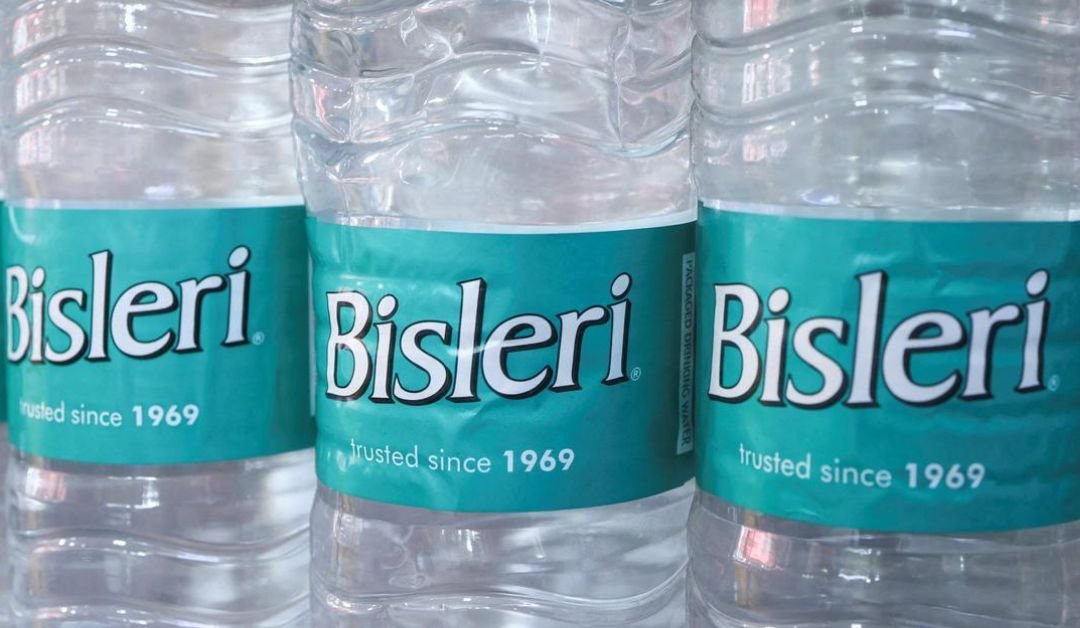
Packaged drinking water company Bisleri International is facing fresh regulatory action after the Food Safety and Standards Authority of India (FSSAI) approved prosecution over a water sample collected from its manufacturing facility in Jalpaiguri, West Bengal. The sample, taken from the plant at Telipara village, reportedly contained coliform bacteria, with both the primary and referral food laboratories confirming the findings. The sample belonged to batch PB 201, whose sale was prohibited on August 12, 2026. Following the laboratory results, FSSAI sanctioned prosecution under the Food Safety and Standards Act, 2006. Coliform bacteria can enter water supplies through sewage leaks and damaged pipelines, among other sources. The latest development comes shortly after the regulator initiated separate proceedings against Bisleri over a packaged drinking water sample collected from its Goa facility, which was declared unsafe following laboratory examinations.
In the Goa case, FSSAI initially identified bromate levels above the prescribed limit before a referral laboratory separately detected polynuclear aromatic hydrocarbons (PAHs). Bisleri disputed the findings, maintaining that the issue involved only one batch and that subsequent testing showed bromate levels within permissible limits. The company also stated that it had not received further communication from the regulator. It said its manufacturing process involves more than 90 quality checks and pledged continued cooperation. Meanwhile, FSSAI has expanded inspections across the packaged drinking water industry, collecting samples from several brands. The regulator is also examining misleading brand names and labels resembling established companies, with further action expected against violators.