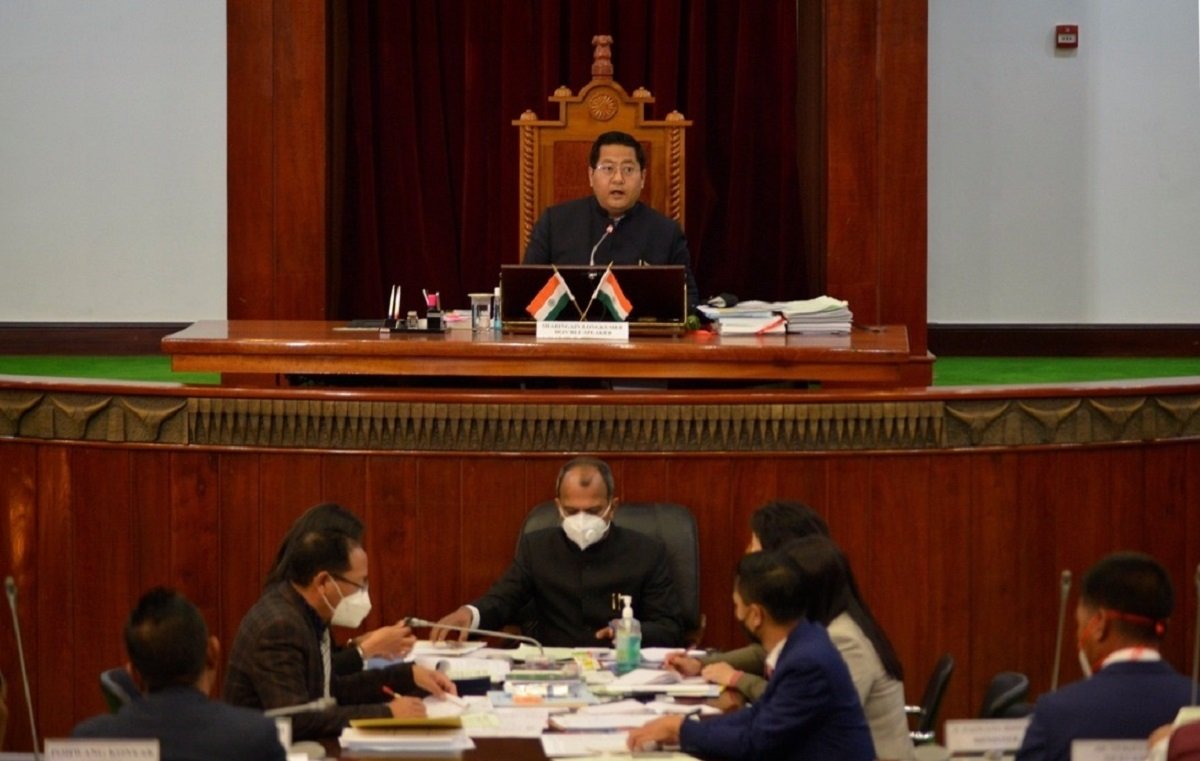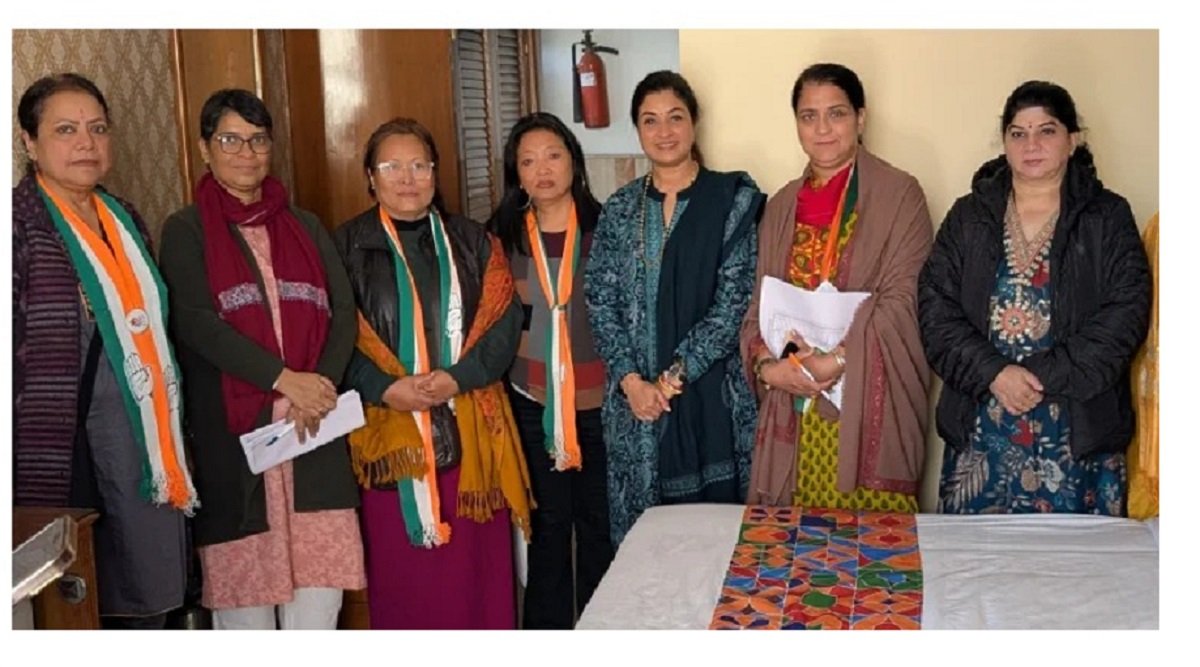
Concerns over delayed wages, fewer days of work and the growing exclusion of women workers under the rural employment scheme dominated a meeting of the Nagaland Pradesh Mahila Congress Committee held in Dimapur. The executive and organisational meeting, held at Congress Bhavan, brought together Mahila Congress members from different districts of Nagaland to review the ground situation of the Mahatma Gandhi National Rural Employment Guarantee Act (MGNREGA). Participants said the scheme, which was meant to guarantee paid work to rural households as a legal right, is facing serious problems in implementation, with women workers being the worst affected.
Several speakers pointed to long delays in wage payments, saying workers are often forced to wait for weeks and sometimes months to receive their earnings. Members said this has created hardship for poor families who depend on MGNREGA income to meet daily needs such as food, healthcare and children’s education. They noted that many women hesitate to demand work or follow up on payments due to administrative hurdles and lack of clear information. District-level representatives shared reports from villages, highlighting that the number of workdays available under the scheme has gone down in many areas. According to them, fewer job opportunities have increased financial pressure on rural households, especially those headed by women or dependent on daily wage labour. In tribal and remote areas, women were said to be losing access to work because of procedural issues and lack of timely approvals.
The meeting also expressed concern over what members described as inadequate budget support and complicated procedures. These, they said, have weakened the scheme and reduced its role as a safety net for vulnerable communities. At the end of the meeting, the Mahila Congress resolved to closely monitor the implementation of MGNREGA across Nagaland. The committee said it would document cases of delayed payments and denial of work, conduct awareness programmes on workers’ rights, and approach elected representatives to raise the matter in legislative forums.