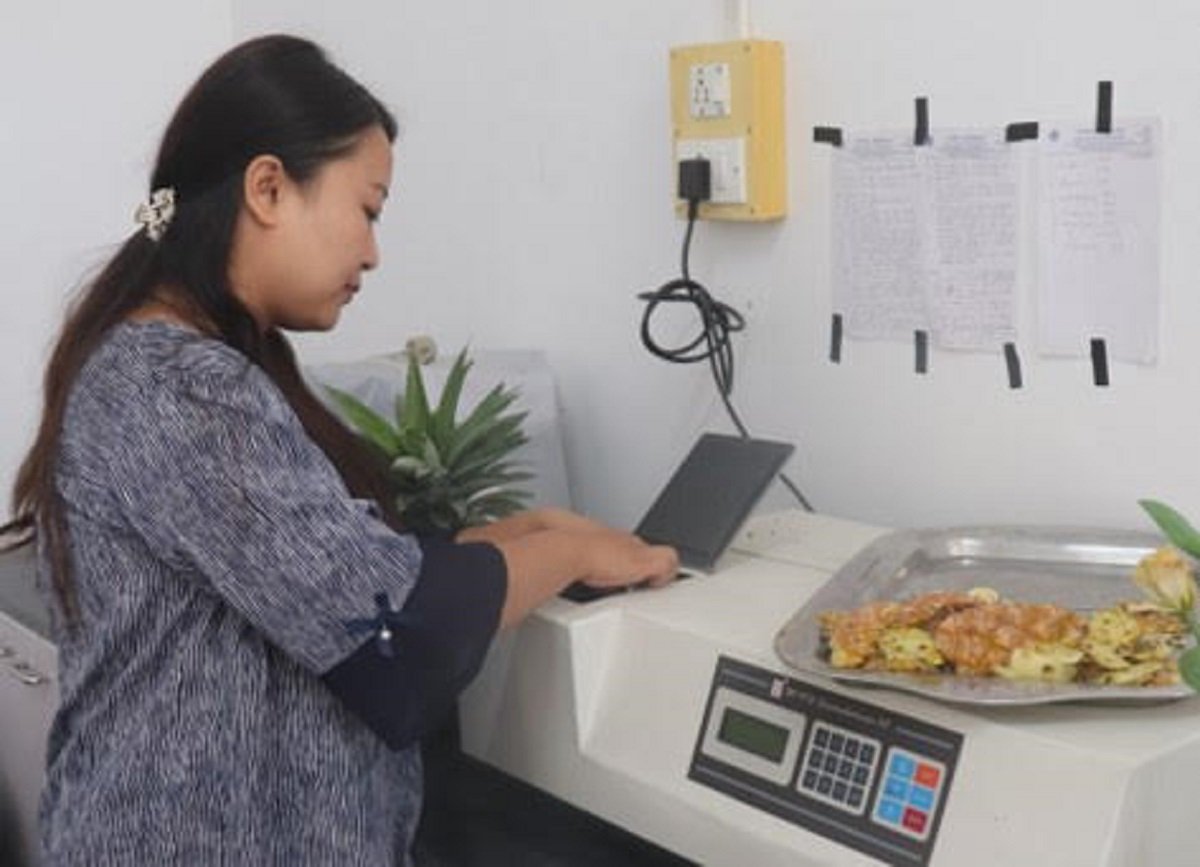
Nagaland University researchers have developed a sustainable method for converting pineapple processing waste into high-quality vinegar, addressing environmental concerns related to fruit waste. Pineapple processing generates significant waste, including peels, pomace, cores, and crowns, much of which is discarded due to poor handling and storage. This research, published in the European Journal of Nutrition and Food Safety, emphasizes the potential of transforming waste into commercially valuable products, enhancing rural livelihoods, and supporting community enterprises. Vice Chancellor Prof. Jagadish K Patnaik praised the innovative breakthrough as a testament to the university’s commitment to environmentally responsible practices and value-added processing of agricultural by-products. The team, led by Prof. Akali Sema, discovered that vinegar produced from pineapple peels showed superior acidity, color, and flavor compared to other parts, receiving positive feedback from sensory panels. The findings are expected to bolster sustainable pineapple production in Nagaland, a region known for its sweet and high-quality fruit varieties like ‘KEW’ and ‘Queen,’ supported by governmental initiatives promoting commercial pineapple cultivation in key producing districts.
Nagaland University Develops Technique to Convert Pineapple Waste into Vinegar