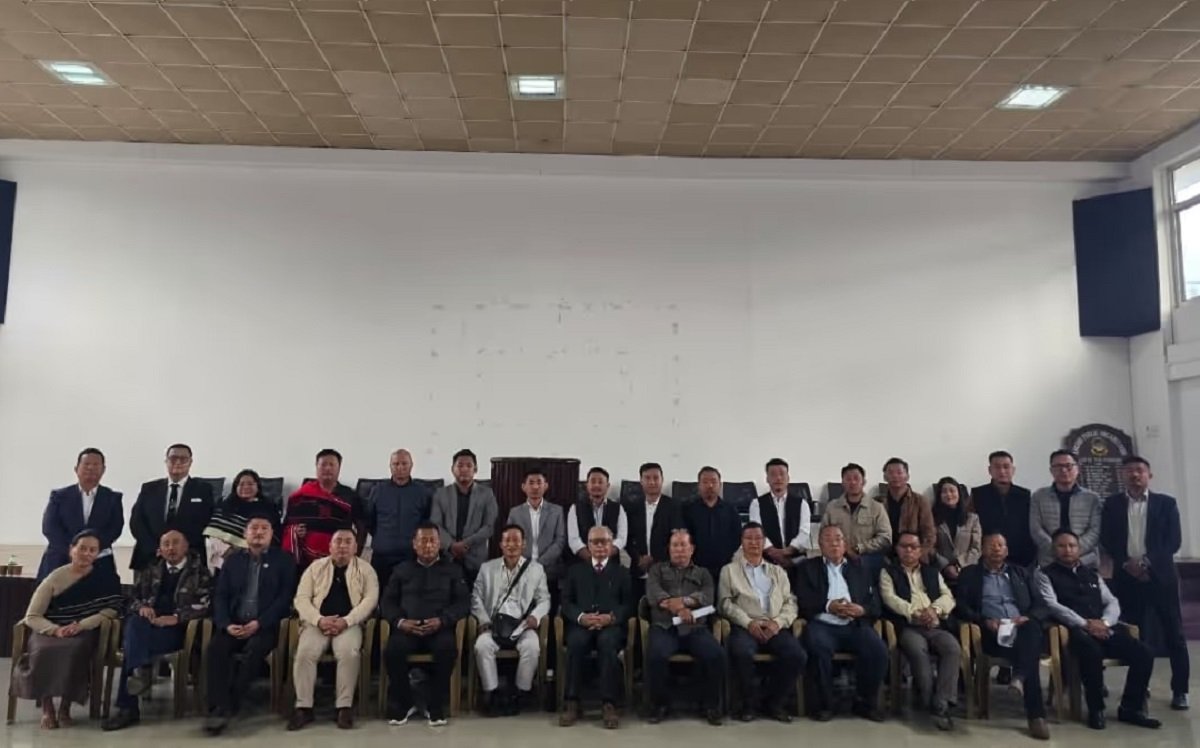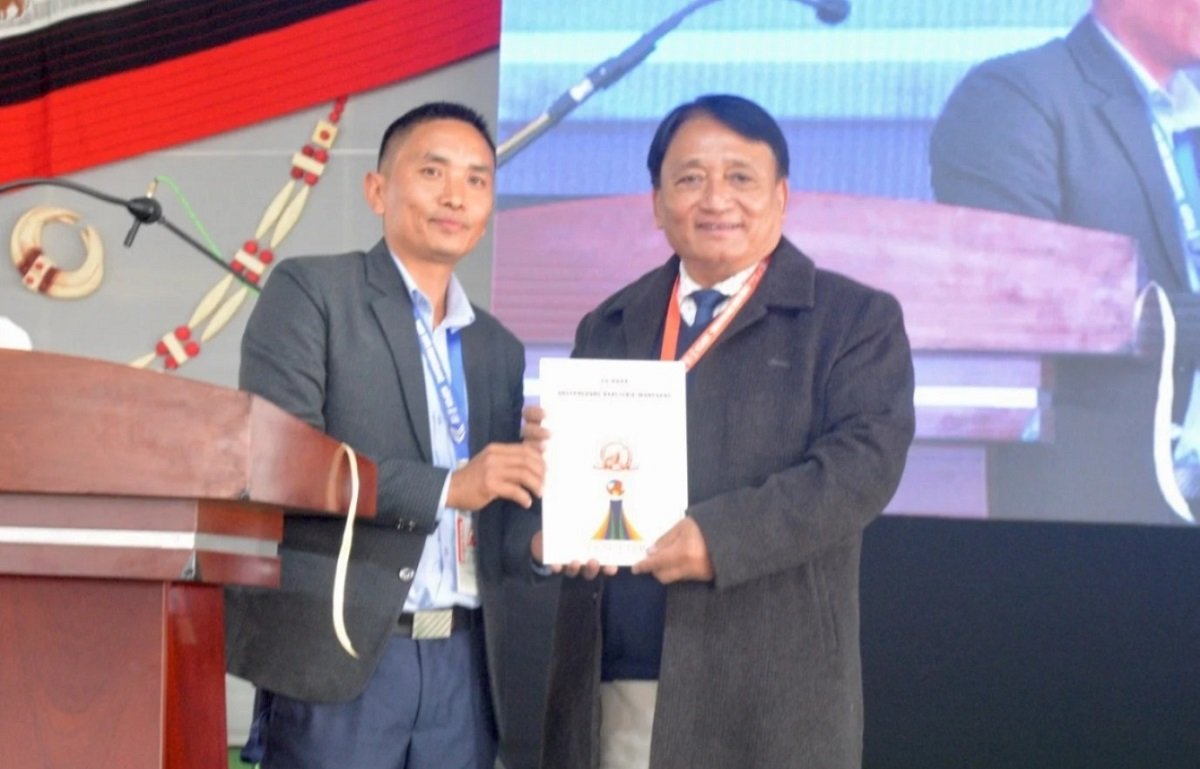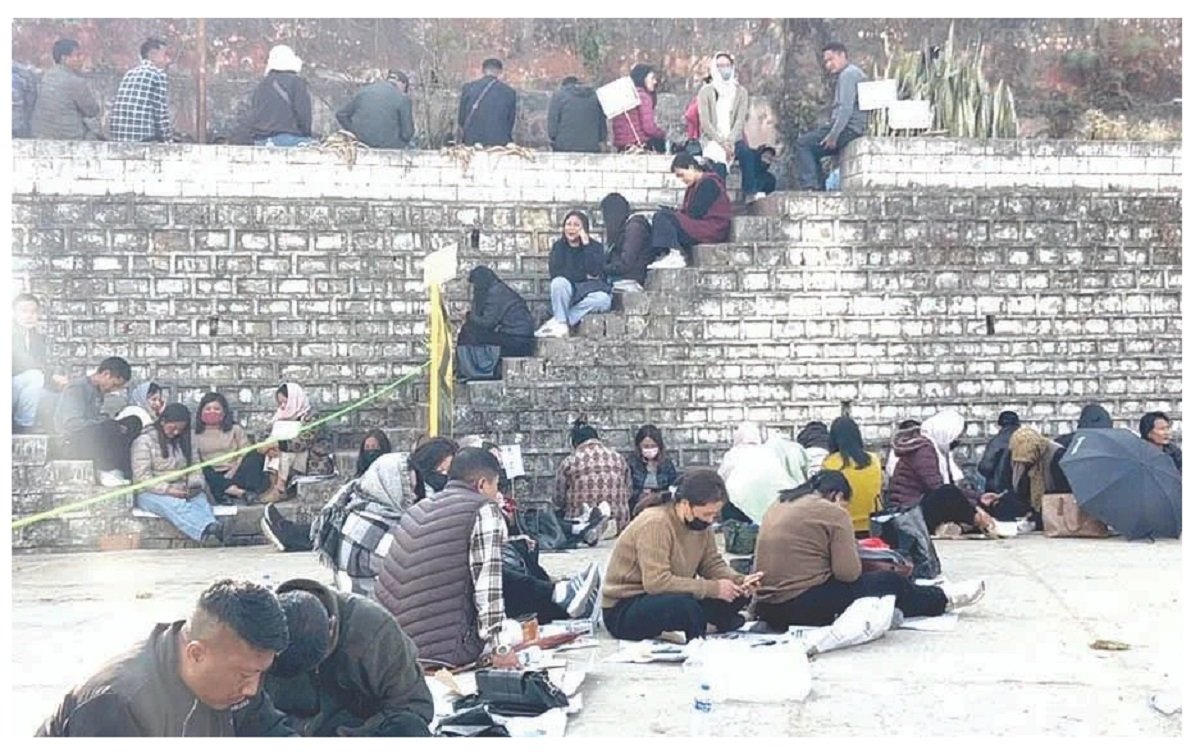
Several political, student and church organizations in Nagaland have strongly opposed the directive issued by the Ministry of Home Affairs mandating the recitation or singing of Vande Mataram before the National Anthem Jana Gana Mana at high-level official functions and educational institutions.
The Naga People’s Front (NPF), Naga Students’ Federation (NSF), and Chakhesang Baptist Church Council (CBCC) described the directive as a threat to the Christian-majority faith, cultural identity and constitutional protections guaranteed under Article 371(A).
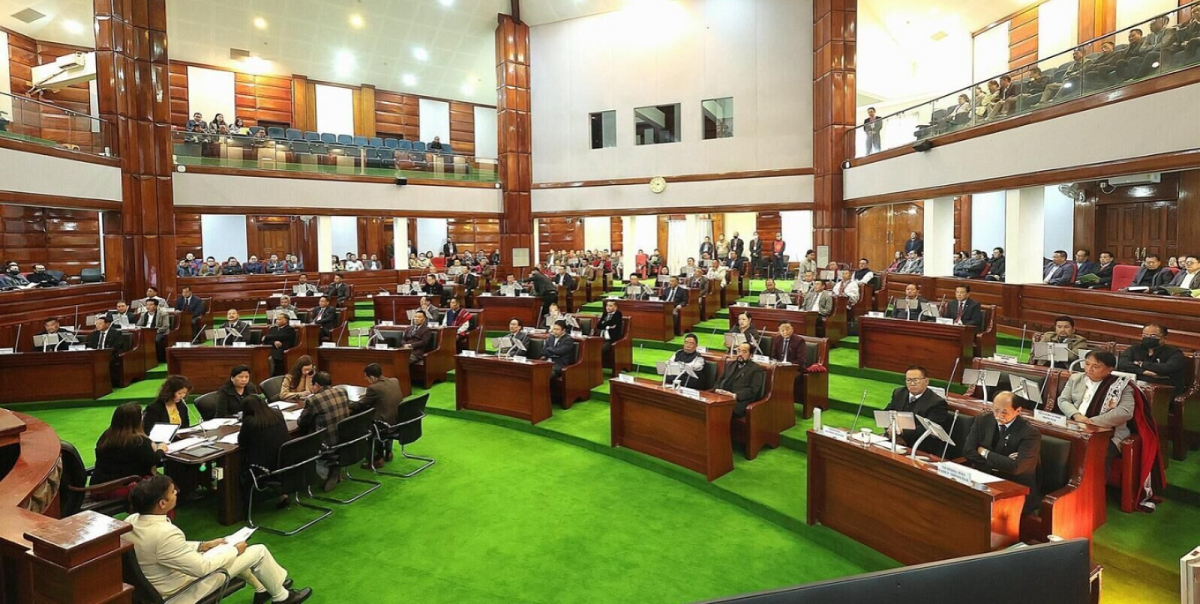
The Naga People’s Front expressed strong resentment over what it termed the “forceful imposition” of reciting Vande Mataram in educational institutions and the Nagaland Legislative Assembly. In a statement issued through its press bureau, the party said such a mandate was alien to the people of Nagaland and threatened the ethos of fundamental rights guaranteed by the Constitution of India.
NPF maintained that the directive violated the safeguards under Article 371(A), which protects the religious practices, social customs and customary laws of the Naga people. The party also pointed out that references to Hindu goddesses in the song were incompatible with the monotheistic Christian beliefs of the Naga community. It urged the Government of India to reconsider the directive and uphold the secular character of the nation so that no community was compelled to compromise its religious faith. The party also invited like-minded political parties, organisations and individuals to unite in defending Nagaland’s distinct identity, culture and faith, while reaffirming resolutions adopted in its recent meetings of the Central Office Bearers, Central Executive Council and General Convention.
The Chakhesang Baptist Church Council also voiced strong opposition to the directive, stating that Vande Mataram was not a song that everyone could be expected to chant. In a statement issued by executive secretary T. Chikri, the council said the decision of the Ministry of Home Affairs violated the principle of freedom of religion in secular India.
CBCC appreciated the Naga Students’ Federation and members of the Nagaland Assembly for raising strong objections to what it described as a blanket imposition on citizens regardless of faith. The council also highlighted what it called a policy inconsistency, noting that Christian schools in several states were often restricted from displaying crosses, while schools in the Naga homeland were being asked to recite Vande Mataram.
The council warned that compelling the Christian community to participate in practices contrary to their beliefs would invite greater resistance. It affirmed that the Church would not bow to pressure and vowed to support individuals, parties or organisations defending the Christian faith and protecting the Church.
mEANWHILE, The Naga Students’ Federation also expressed strong displeasure and condemned recent remarks by BJP legislator Temjen Imna Along regarding the recitation of Vande Mataram in the Nagaland Legislative Assembly. In a statement issued by NSF president Mteisuding Heraang and education committee convenor Pithungo Shitio, the federation said it was unfortunate that the MLA continued to justify and normalise the directive despite the organisation’s clear opposition issued on February 20, 2026.
NSF reiterated that Vande Mataram carried strong religious connotations linked to the worship of Hindu deities, which made its enforcement incompatible with the faith of the predominantly Christian Naga people. It warned that any attempt to institutionalise the song’s recitation in the Assembly or other public institutions in the Naga homeland would violate the spirit of Article 371(A), which safeguards the unique religious practices, social customs and rights of the Naga people. The federation also criticised attempts to portray the song as purely secular or historical, stating that such narratives ignored the genuine concerns of communities whose religious and cultural identities differed.
NSF further questioned the rationale behind referring the matter to a Select Committee and cautioned against introducing or playing Vande Mataram in any institution, including Nagaland University or other educational establishments across the Naga homeland. The federation directed all its federating units and subordinate bodies to remain vigilant and not permit such practices within their jurisdictions.