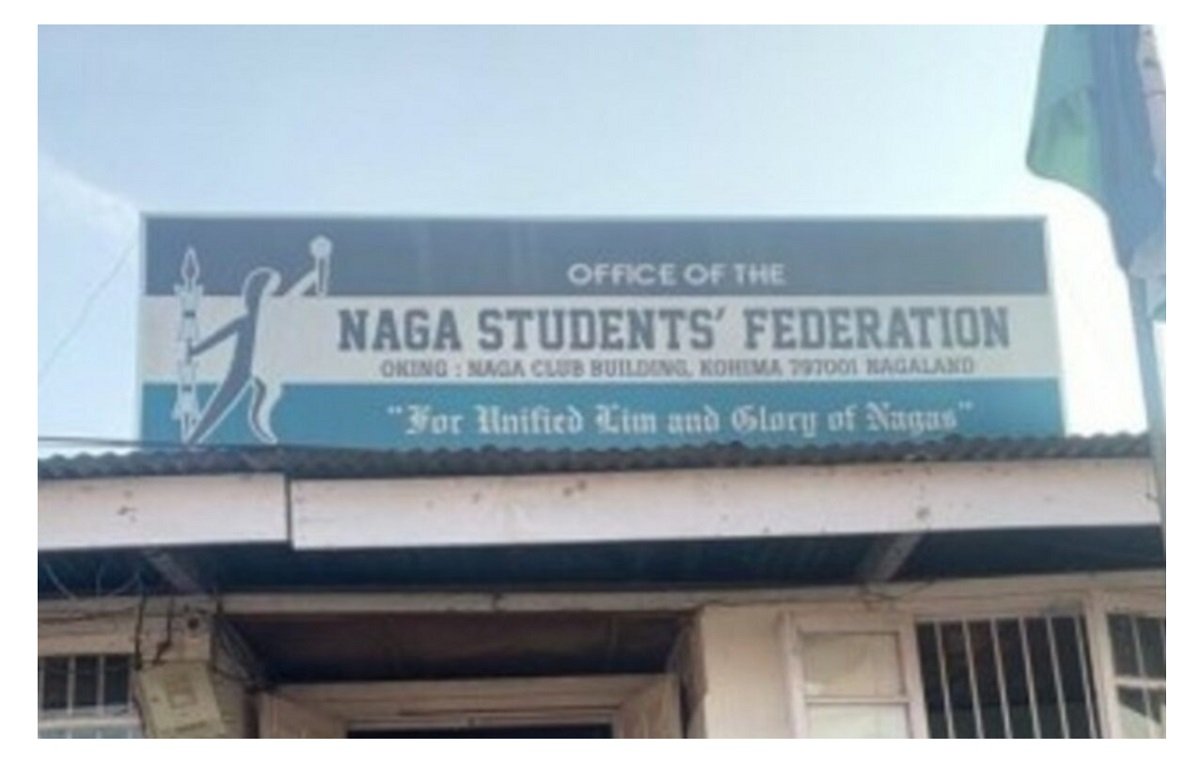
The Naga Students’ Federation (NSF) has reiterated that strengthening the Inner Line Permit (ILP) system will remain its top priority to safeguard the rights, land and cultural identity of indigenous Nagas. The reaffirmation came during a consultative meeting of the Inner Line Regulation Commission (ILRC) held on Monday at the Naga Council Dimapur Hall.The meeting saw participation from the Naga Council Dimapur, GB’s Union (Sardar) Dimapur, Dimapur Urban Council Chairman Forum and the Dimapur Naga Students’ Union. ILRC Member Secretary Seve R. Vadeo chaired the session, which began with an invocation prayer by the GB’s Union.
NSF President Mteisuding stressed that the ILP mechanism, rooted in the Bengal Eastern Frontier Regulation (BEFR) of 1873, is vital for protecting the interests of Naga communities. He said the ILRC was formed to reinforce the regulation and ensure that economic and land rights remain reserved for indigenous Nagas. ILRC member Kelhouniezo Yhome highlighted NSF’s long-standing advocacy for indigenous reservation, tracing it back to 1975. Pointing to challenges in Dimapur, he expressed concern over rising influx of non-indigenous residents and illegal migration. He urged Naga bodies to remain vigilant, reminding that Article 371(A) prohibits non-Nagas from owning land in the state.
Another member, Hukavi T. Yeputhomi, said weak public awareness and lack of a clearly defined inter-state boundary with Assam were affecting implementation. He called for boundary demarcation and stronger monitoring in border villages. During discussions, attendees proposed empowering traditional bodies for ILP enforcement, regulating long-term ILP holders, creating an indigenous certificate database and upgrading the ILP online system for transparency.