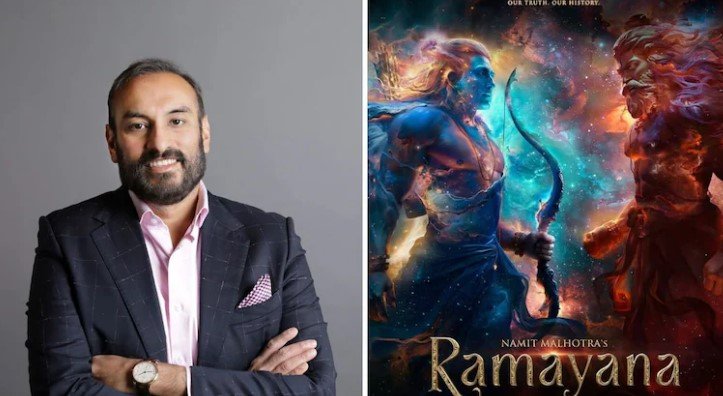
In a move that has sent shockwaves through the Indian film industry, Namit Malhotra, the producer of the highly anticipated cinematic epic Ramayana starring Ranbir Kapoor, has reportedly turned down a staggering streaming rights deal from Netflix valued at ₹700 crore. This ambitious project, directed by Nitesh Tiwari, is already being hailed as one of the most expensive and technologically advanced films in the history of Indian cinema, featuring a star-studded cast including Sai Pallavi as Sita and Yash as Ravana. The decision to reject such a lucrative pre-release offer from a global streaming giant indicates a high level of confidence from the production team regarding the film’s potential at the box office and its long-term value. Industry insiders suggest that the producers are prioritizing a massive global theatrical release and may be looking for even more competitive bidding once the film nears completion or after its initial theatrical run, aiming to maximize revenue through traditional exhibition before moving to digital platforms.
The scale of Ramayana is unprecedented, with significant investment being poured into world-class visual effects and elaborate sets to bring the ancient epic to life with modern cinematic grandeur. By declining the ₹700 crore offer, Namit Malhotra and his team are signaling that they view the film not just as a domestic blockbuster, but as a global cultural event capable of breaking existing financial records. While high-stakes digital deals have become common for big-budget movies, the refusal of such a substantial guaranteed sum reflects a strategic gamble on the film’s “big screen” appeal and its ability to draw massive crowds to cinemas worldwide. Fans and market analysts are now closely watching how this decision will impact the film’s eventual distribution strategy, as the buzz surrounding Ramayana continues to grow, making it one of the most talked-about ventures in contemporary Bollywood. This bold move underscores a shifting trend where major producers are reclaiming the power of theatrical exclusivity for tentpole projects, banking on the belief that a truly spectacular cinematic experience remains the ultimate revenue generator in the entertainment ecosystem.