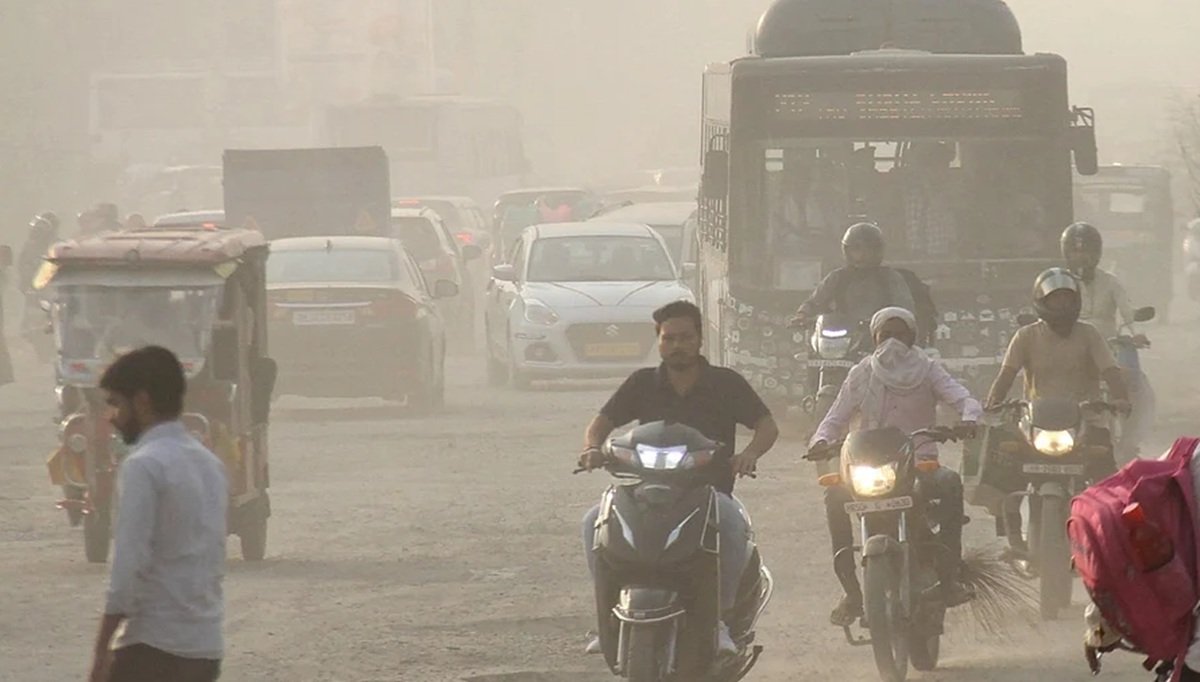
North-East India has witnessed a nearly 50 per cent rise in pollution levels over the past two decades, with researchers warning that the region has shifted from “polluted” to “highly polluted” due to growing biomass burning and industrial emissions, according to a new 25-year satellite study published in Atmospheric Environment. The research, led by Prof Abhijit Chatterjee and research fellow Soumen Raul of Bose Institute, tracked particulate matter pollution across the Indo-Gangetic Plain, North-East India and the Himalayas from 2000 to 2024.
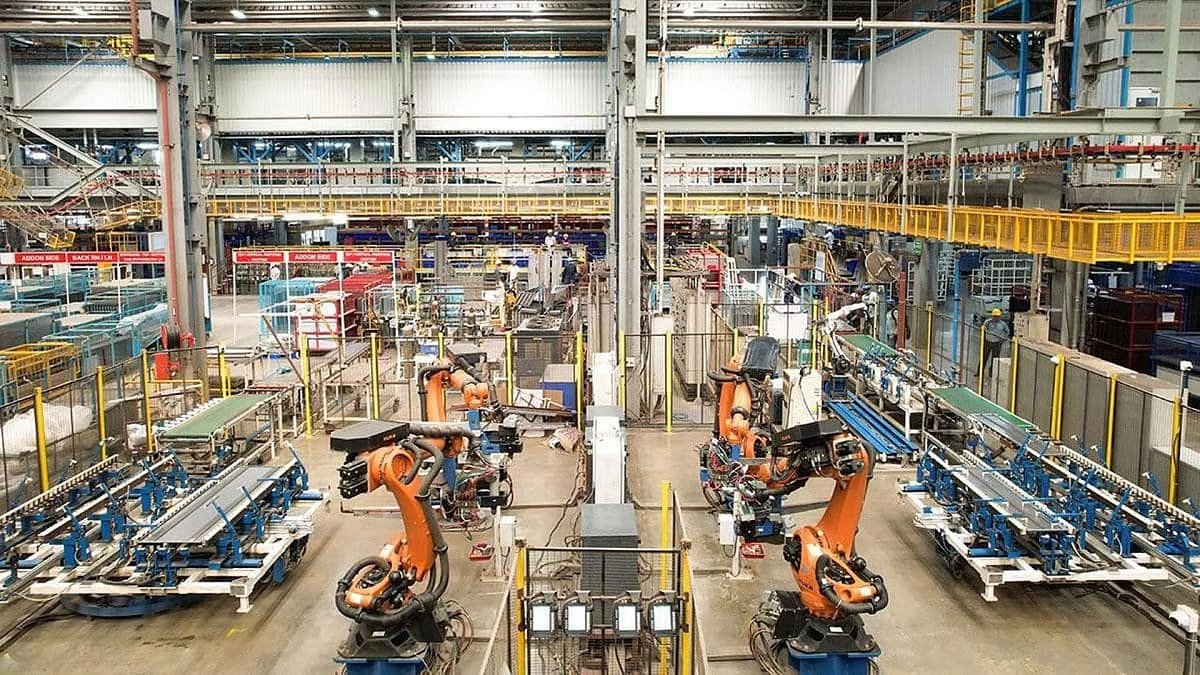
The study found that organic carbon and sulphate particles linked to slash-and-burn farming and biomass-based cooking and heating rose sharply between 2010 and 2019 compared to the previous decade. Pollution hotspots initially concentrated in Assam, Meghalaya and Tripura have now expanded across the region and into Bangladesh. Researchers also flagged Assam’s industrial belt as a growing concern. Sulphate emissions increased by over 30 per cent after the implementation of India’s National Clean Air Programme (NCAP), driven by thermal power plants, oil refineries and cement industries in Bongaigaon, Guwahati, Dibrugarh, Digboi, Numaligarh and Bokajan.
In Guwahati, worsening air pollution could impact tourism, logistics, healthcare costs and investor confidence if industrial and rural emissions remain unchecked. Experts said cleaner fuel adoption and stricter industrial emission monitoring will be crucial for sustaining long-term economic growth in the region.