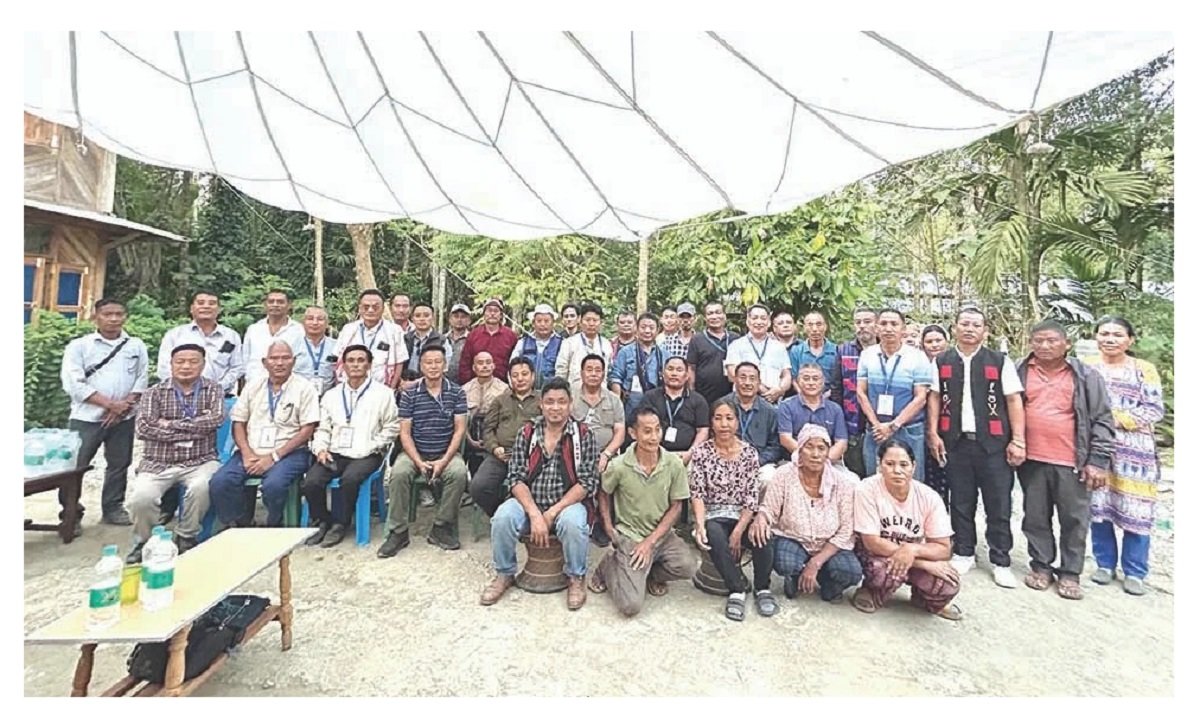
A conglomerate of seven Naga political organisations has opposed the recently signed tripartite agreement between the Centre and the governments of Assam and Nagaland for energy exploration and extraction, saying such activities should not be carried out until a final political settlement of the Naga issue is reached.The Working Committee of the Naga National Political Groups (NNPG) expressed its objections a day after the agreement was signed to facilitate energy exploration and extraction in areas along the Assam-Nagaland border. The organisation said ownership and control over natural resources form an important part of the ‘Agreed Position’ signed between the NNPG and the Government of India in 2017.In a statement, the committee maintained that any attempt to explore or extract natural resources in Naga areas before the conclusion of a formal political settlement would go against the understanding reached during the ongoing peace process. It argued that the rights over natural resources are intrinsically linked to the larger political issue that has remained unresolved for decades.
The NNPG stated that it would ensure that no national or international company is allowed to extract crude petroleum from Naga soil until a final political settlement is officially concluded. The organisation described any move to undertake oil exploration or extraction before resolving the Naga political issue as a violation of Naga rights and interests.The committee also rejected the concept of a revenue-sharing arrangement between Nagaland and Assam. According to the group, the area under discussion is historically and legally part of the Naga homeland, and therefore questions of resource ownership should be addressed within the framework of a final political agreement.The Working Committee of the NNPG, comprising seven Naga political groups, has been engaged in negotiations with the Centre for several years. The committee signed the Agreed Position agreement with the Government of India on November 17, 2017, outlining broad principles for a political settlement.
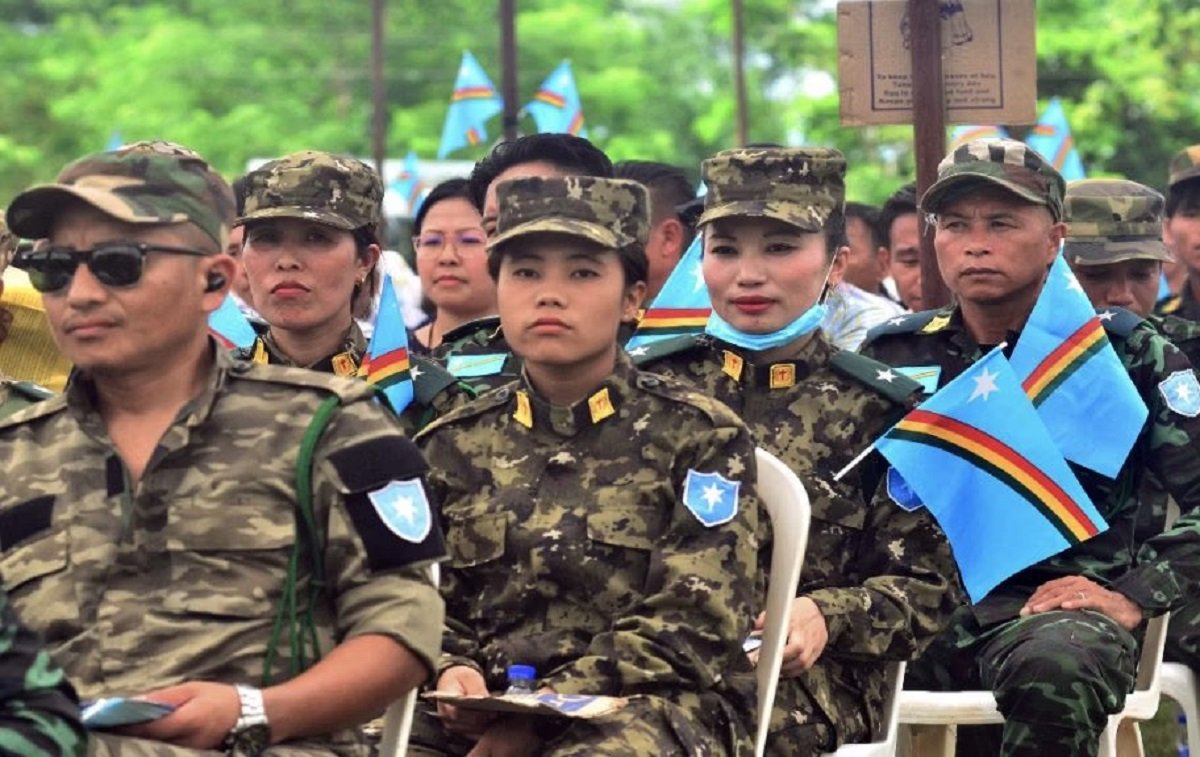
Parallel peace talks have also been taking place between the Centre and the National Socialist Council of Nagalim-Isak-Muivah, which entered into a ceasefire agreement in 1997. The two sides later signed the Framework Agreement in 2015 as part of efforts to advance the peace process. Although the Centre’s interlocutor for the Naga peace talks announced in 2019 that negotiations had been concluded, a final settlement has yet to be reached. Differences continue to remain over key issues, including the NSCN-IM’s demand for a separate Naga flag and constitution.