The Assam health department has stepped up efforts to prevent outbreak of infectious diseases after floods with as many as 3,103 health camps catering to over 2.06 lakh people so far.
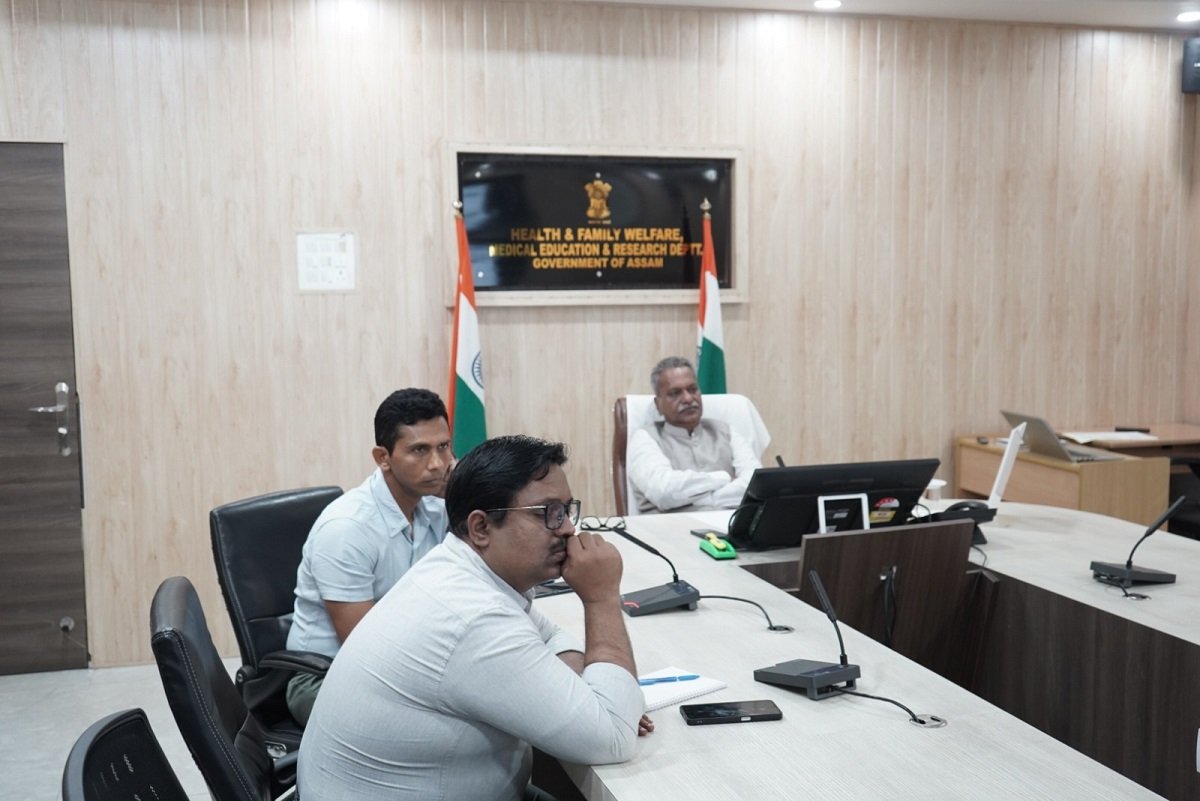
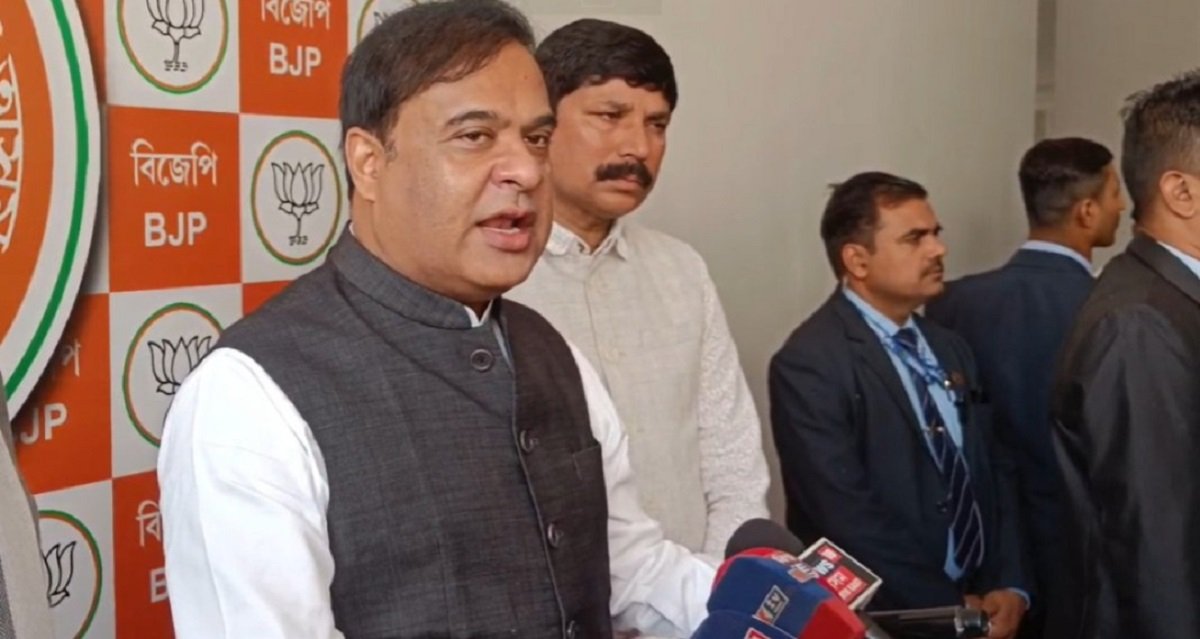
Addressing mediapersons in Guwahati on Tuesday, Assam health minister Ashok Singhal said the state health and family welfare department has undertaken extensive measures to prevent outbreak of infectious diseases and safeguard public health.
“Along with continuing healthcare services in the flood-affected areas, special emphasis has been placed in ensuring safe drinking water, sanitation and cleanliness, disease surveillance, vector-borne disease control and overall health protection,” Singhal said.
To ensure timely medical care for flood-affected people, the health department has deployed medical teams and organised health camps across the state.
“So far, 2,06,442 people have received free medical treatment and medicines through 3,103 medical camps in the flood-affected areas. On August 10 alone, 116 medical teams were deployed and 2,736 patients were provided healthcare services through 60 medical camps,” the minister informed.
In the worst-affected districts of Charaideo and Sivasagar, 11 special ‘Mega Health Camps’ were organised from August 5 to 9, covering five Assembly constituencies.
“Specialist doctors from Dibrugarh and Jorhat Medical Colleges were deployed at these camps. Specialists in paediatrics, obstetrics and gynaecology, dentistry, ophthalmology, ENT and mental health provided medical services. A total of 14,209 patients received specialist healthcare services through these camps,” he stated.
Pregnant women, mothers and children staying in relief camps face greater health risks during floods. “Keeping this in view, the health department has taken special measures to protect their health. So far, 387 pregnant women, 462 mothers, 590 children below one year of age, and 1,627 children aged between one and five years have been identified. Regular health check-ups, nutritional support and necessary healthcare services are being ensured for them,” Singhal said.
In view of the increased risk of diarrhoea and other diseases following floods, adequate stocks of oral rehydration salts (ORS) and zinc tablets have been maintained across the State. At present, 90,34,658 packets of ORS and 48,59,287 packets of zinc tablets are available. According to the health department, these stocks would play a crucial role in ensuring prompt treatment in the event of diarrhoeal outbreaks in the flood-affected areas.
Ensuring access to safe drinking water has emerged as one of the major challenges following the floods. In coordination with the public health engineering department, 511 water samples were tested at IDSP laboratories to ensure safe drinking water.
“The affected water sources were disinfected with the required chemicals and subsequently retested. These sources were reopened for public use only after testing confirmed that the water was safe for consumption. In view of the possibility of increased mosquito breeding following the floods, special measures have also been undertaken for vector-borne disease control. 194 fogging teams have been deployed in flood-affected areas,” the minister said.
In addition, in coordination with the veterinary department and municipalities, 359 dead livestock have been disposed of in accordance with prescribed health and safety protocols. “This measure will help prevent contamination of water and the environment and reduce the risk of the spread of infectious diseases from carcasses,” he said.
To respond promptly to any emergency situation, the minister informed that a 24×7 state Health Emergency Operation Centre (HEOC) has been set up in Guwahati. In case of an emergency, people can contact 93958-82990 or 0361-2915007.
Assam takes extensive measures to prevent disease outbreaks post floods