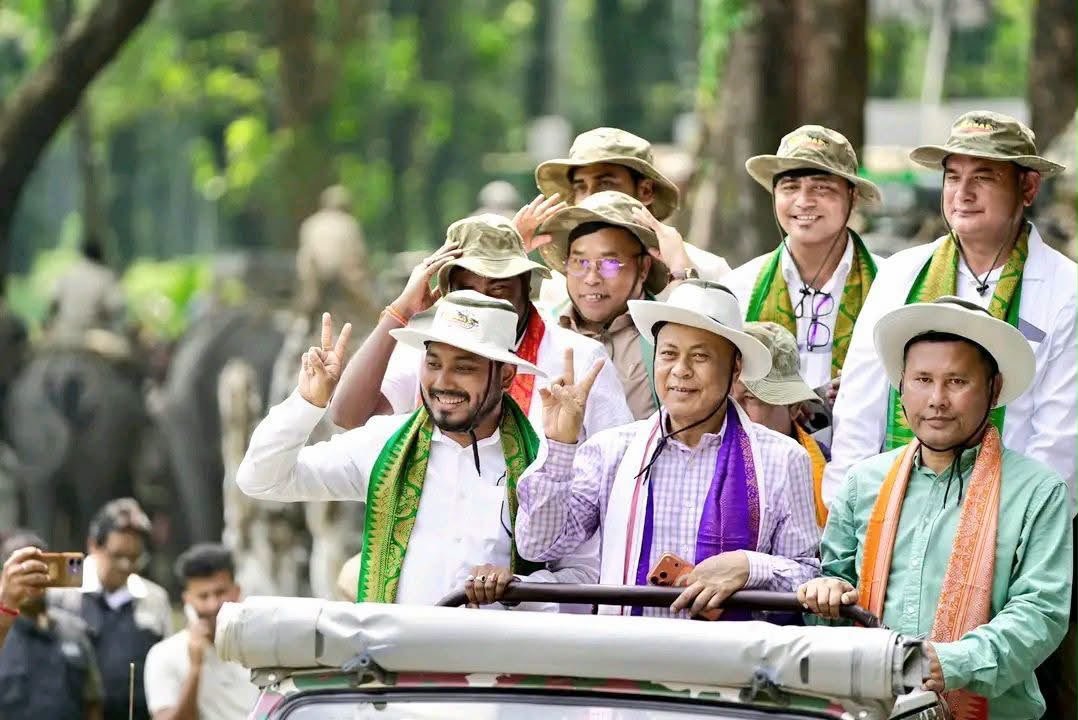
In a major step towards sustainable eco-tourism, Manas National Park and Tiger Reserve has introduced a new conservation-first tourism model, aimed at balancing wildlife protection with community development. The initiative is expected to transform the tourism experience in the UNESCO World Heritage Site while ensuring that local communities become direct stakeholders in conservation efforts.
Under the new model, trained local youth will now serve as mandatory guides for all visitor groups. The move is designed to create employment opportunities for forest-fringe communities while enabling tourists to gain deeper insights into the region’s biodiversity, culture and traditions.
Authorities have also introduced controlled access to the park along with premium full-day tourism routes based on visitor feedback. Officials believe the premium routes will reduce pressure on sensitive wildlife habitats while offering high-quality wildlife viewing experiences.
The tourism model promotes buffer-area destinations such as Subankhata, Bhutan Chowki and Bogamati, encouraging visitors to explore areas outside the core zones. The strategy is intended to reduce tourist concentration in ecologically sensitive areas and generate additional income opportunities for local communities through tourism-related services.
To improve transparency and visitor management, an official online booking system has been introduced. The digital platform is expected to enhance monitoring, regulate visitor capacity and minimize cash transactions. Night stays inside the protected area remain strictly prohibited.
A major cultural and educational addition to the tourism plan is the proposed Bodoland Manas Heritage Centre at Bansbari. The centre aims to shift the tourist experience beyond wildlife safaris by highlighting conservation stories, indigenous traditions and the cultural heritage of the region.
The government is also developing a landscape-wide tourism circuit connecting four national parks, Manas, Manas First Addition, Raimona and Sikhna Jwhalao, along with Barnadi and Chakrashila wildlife sanctuaries. The initiative seeks to encourage longer tourist stays while distributing tourism benefits across a wider landscape.
Homestays and curated cultural experiences are being promoted in fringe villages under Assam’s rural tourism initiatives, enabling local families to earn directly from tourism and strengthening community participation in conservation.
In another significant development, the Responsible Tourism Centre has been inaugurated near the park entrance, making Manas the first protected area in Northeast India to establish a dedicated waste management unit for visitors. The centre allows tourists to deposit single-use plastic items before entering the park and provides drinking-water refill facilities along with awareness on responsible tourism practices.
Officials said the initiative represents a collaborative effort involving the Forest Department, Swachh Bharat Mission Gramin, Royal Enfield Social Mission, The Midway Journey and local stakeholders. The project aims to strengthen waste management systems while promoting community-based tourism and environmental stewardship.
Visitor statistics indicate a steady rise in tourism at Manas over the last five years. The reserve recorded 63,723 visitors during 2025-26, including 4,951 foreign tourists, reflecting the growing global appeal of the protected area.