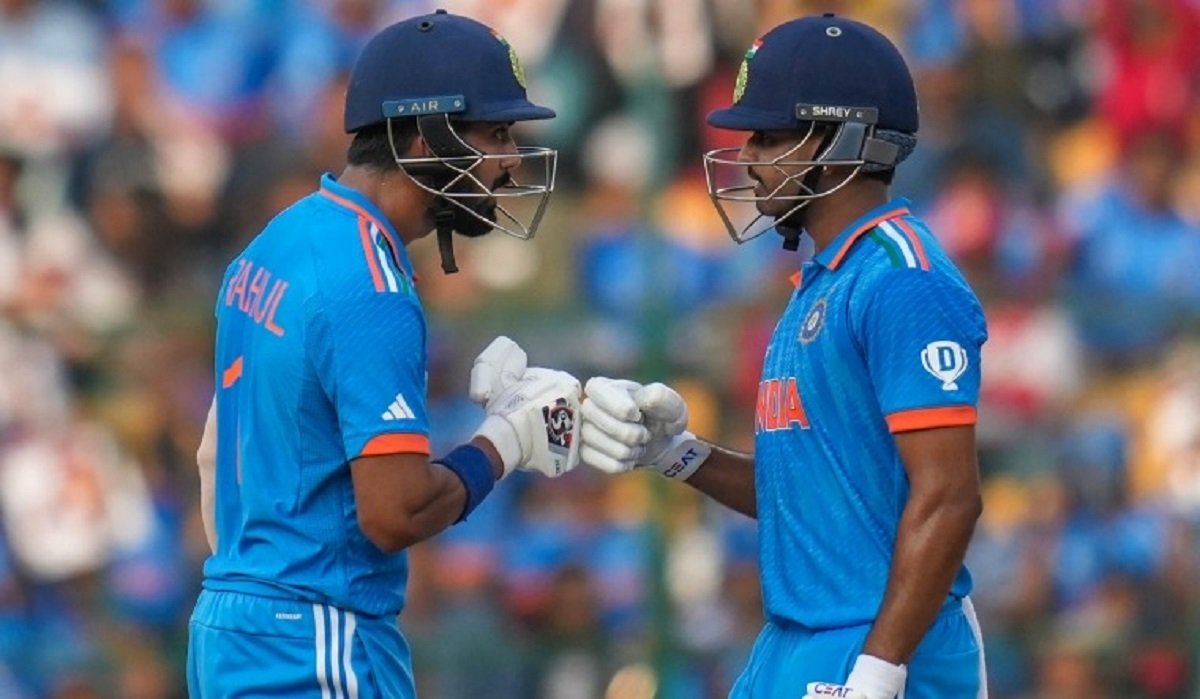
India secured a four-run victory over New Zealand in a rain-affected cricket match on Saturday, despite batting second. New Zealand had scored 134 runs, setting a target of 135 for India. The Indian team began its chase with the aim of reaching the target and winning the match. However, rain interrupted the game when India had scored 113 runs for the loss of seven wickets in 26 overs. As the weather conditions did not allow the match to continue, the officials had to use a special method to decide the final result.
The match result was decided through the Duckworth-Lewis-Stern (DLS) method, which is used to calculate revised targets in rain-affected cricket matches. Under this system, the par score depends on the number of overs played and the wickets lost by the batting team. At the time rain stopped the match, India’s par score was calculated at 109 runs. Since the Indian team had already scored 113 runs, it was four runs ahead of the required score. Therefore, India was declared the winner by four runs. This explains why India could win the match even though it had not completed its chase of the original target of 135 runs. The DLS method helped determine the outcome based on the match situation when play was stopped.