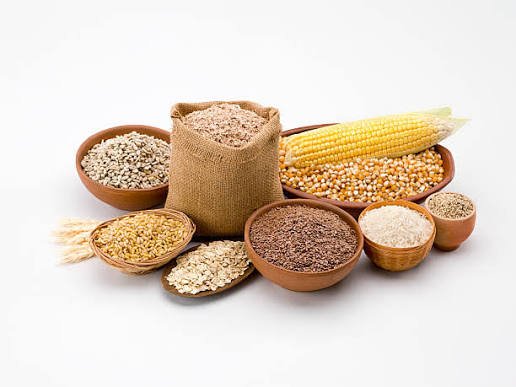
The preference for cereal-based food continues among Indians. On the contrary, components of a balanced diet like vegetables, fruits, milk, and meat are being neglected, according to a study by the ICMR (Indian Council of Medical Research). In this study, the dietary habits of Indian families have been compared with the latest nutritional guidelines recommended by the Indian Council of Medical Research. It has been observed that, except for urban areas of Punjab and Tamil Nadu, the monthly consumption of grains per person in other states is much higher than the recommended amount of 7.5 kg. Among the Union Territories, the consumption of grains by individuals in Delhi, Puducherry, Chandigarh, and Lakshadweep is lower than the recommended amount.
In rural areas, West Bengal, Odisha, Tripura, and Manipur (11.2 kg) have the highest consumption of food grains. Following them in this regard are Bihar (11.1 kg), Rajasthan (10.5 kg), and Chhattisgarh (10.3 kg). In urban areas, Tripura (11.2 kg) leads the list, followed by Manipur (11.1 kg), Bihar (10.5 kg), Arunachal Pradesh, and Chhattisgarh (10.4 kg). Generally, with an increase in income levels, grain consumption decreases, while the intake of protein and fat-based food increases. “With the easy availability of more processed foods and restaurants, eating out has become a part of the lifestyle for a significant portion of the population.” Medical experts believe that this practice will increase the prevalence of non-communicable diseases in the country. Consequently, it is stated in the study that “this will have a negative impact on the country’s productivity due to medical expenses.”
Residents of urban and rural areas across all states and Union Territories consume a much lower quantity of vegetables compared to the recommended 12 kg per person per month. In about 15 states and Union Territories, people consume less than 5 kg of vegetables per month. Although it was recommended to consume 2.6 kg of pulses per month for vegetarians and 1.7 kg for non-vegetarians, this amount also remains low in the country.
Indians prefer cereal-based food, reluctant towards other food items