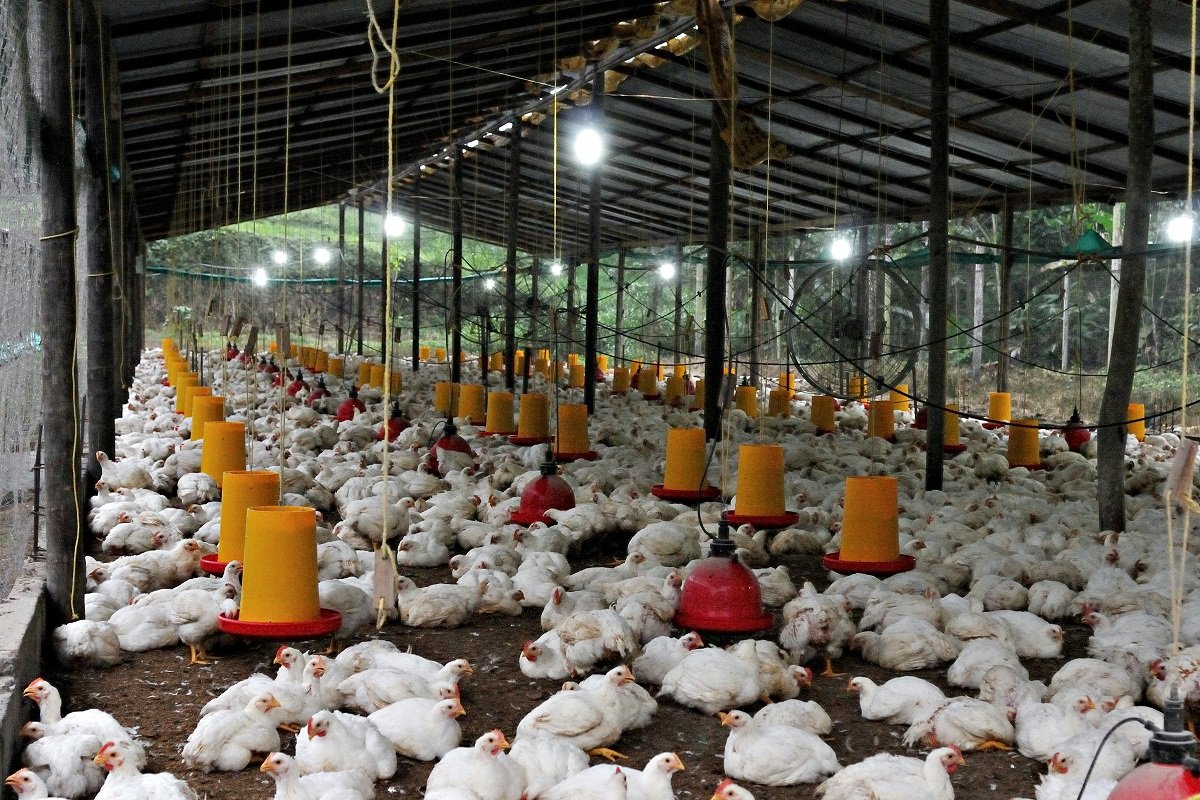
Nagaland is able to meet only around 44.5 per cent of its requirement for animal-based food products, forcing the state to depend heavily on imports to meet growing demand for meat and other livestock products, a senior official said during a state-level programme held in Kohima.The issue came to the forefront during the observance of World Veterinary Day, where officials and veterinary experts spoke about the challenges facing the animal husbandry sector and the urgent need to strengthen local production systems across the state.Addressing the programme, Land Revenue and Tourism Secretary Chusi said Nagaland currently imports meat worth more than Rs 263.56 crore because local production is unable to meet public demand. He said the situation reflects a serious supply gap but also presents an opportunity for the veterinary and livestock sector to contribute more strongly to the rural economy.According to him, the availability of several important food products in the state remains much lower than recommended nutritional levels. Milk availability in Nagaland is around 67 grams per person, which is far below the recommended level of 150 grams per person. Egg availability is also low, ranging between 34 and 40 eggs per person annually against the recommended requirement of 110.
He also pointed out that pork consumption in the state remains very high, but local production continues to fall short of demand. Pork is one of the most widely consumed meat products in Nagaland, and the gap between consumption and production has increased dependence on supplies brought from outside the state.Chusi said the veterinary and animal husbandry sector can play a major role in improving the livelihoods of rural families if proper investment and planning are made. He urged veterinary professionals and related departments to work towards improving livestock production and strengthening the rural economy through better animal health services and farmer support.Animal Husbandry and Veterinary Services Department Secretary Angelina Tajen said veterinarians play a critical role in protecting the food chain and ensuring that meat and other animal products remain safe for public consumption. She said veterinary professionals are also important in controlling dangerous animal diseases that can affect both animals and humans.She warned that diseases such as avian influenza, African swine fever, rabies and Nipah virus continue to remain major concerns. According to her, these diseases can spread rapidly if proper monitoring and preventive systems are not maintained.
Tajen said veterinary services such as vaccination drives, disease surveillance, deworming programmes, artificial insemination and farmer awareness training are necessary not only for animal health but also for public health and economic stability in rural areas.Nagaland Veterinarians’ Association president K.N. Zubemo Humtsoe also spoke during the programme and highlighted the difficulties faced by veterinary professionals, especially those working in remote and rural regions of the state.He said there is a strong need for better infrastructure, improved access to modern veterinary technology and regular professional training programmes. He added that many veterinarians working in interior areas continue to face challenges due to lack of resources and limited facilities. Humtsoe said strengthening veterinary services would help improve animal care, food safety and environmental sustainability while also supporting farmers who depend on livestock for their income.