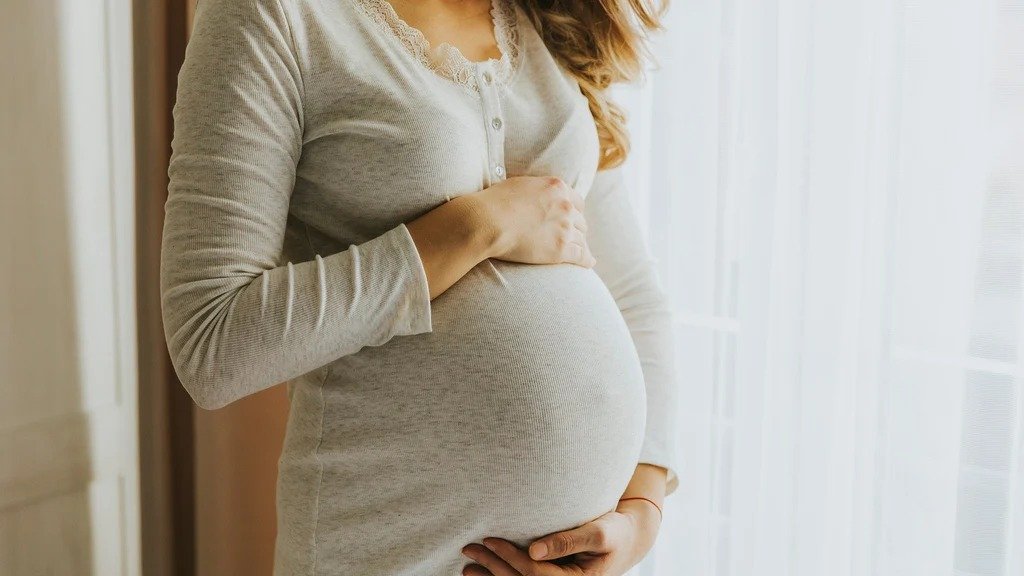
A new nationwide study has highlighted the growing public health and economic implications of rising temperatures, finding that prolonged exposure to extreme heat during pregnancy increases the risk of adverse birth outcomes, with women in India’s mountainous regions—including Assam, Meghalaya and Nagaland—among the most vulnerable. Published in the peer-reviewed Environmental Research Communications, the research analysed 209,266 births between 2015 and 2020 and linked each pregnancy to local heat conditions using the India Heat Index.
The study found that every additional consecutive “sweltering” day during pregnancy increased the likelihood of a low-birth-weight baby by around one per cent after adjusting for other factors. Heat exposure during the first trimester was associated with preterm birth, while exposure during the second trimester raised the risk of low birth weight. Researchers attributed the higher vulnerability in mountainous regions to lower acclimatisation to prolonged heat. The study was led by the University of Queensland–IIT Delhi Academy of Research (UQIDAR), IIT Delhi and the University of Queensland, with collaborators from UNSW Sydney, the University of Exeter and Korea University.
Lead author Vineetha Vincent said the findings demonstrate that extreme heat is a significant pregnancy risk rather than merely a background environmental condition. Co-author Nicholas J. Osborne said India’s heat action plans should explicitly identify pregnant women as a priority group, ensuring access to cooling facilities, hydration support and targeted antenatal care as climate change intensifies heatwaves.
For Guwahati, where prolonged heat and humidity have become increasingly frequent, the findings are expected to strengthen demand for climate-resilient healthcare services, maternal wellness products, cooling technologies and public health awareness initiatives. The study could also encourage greater investments by hospitals, diagnostic centres, healthcare startups and insurance providers in maternal care, while opening opportunities for businesses offering hydration, nutrition and home cooling solutions tailored to vulnerable groups, particularly expectant mothers.