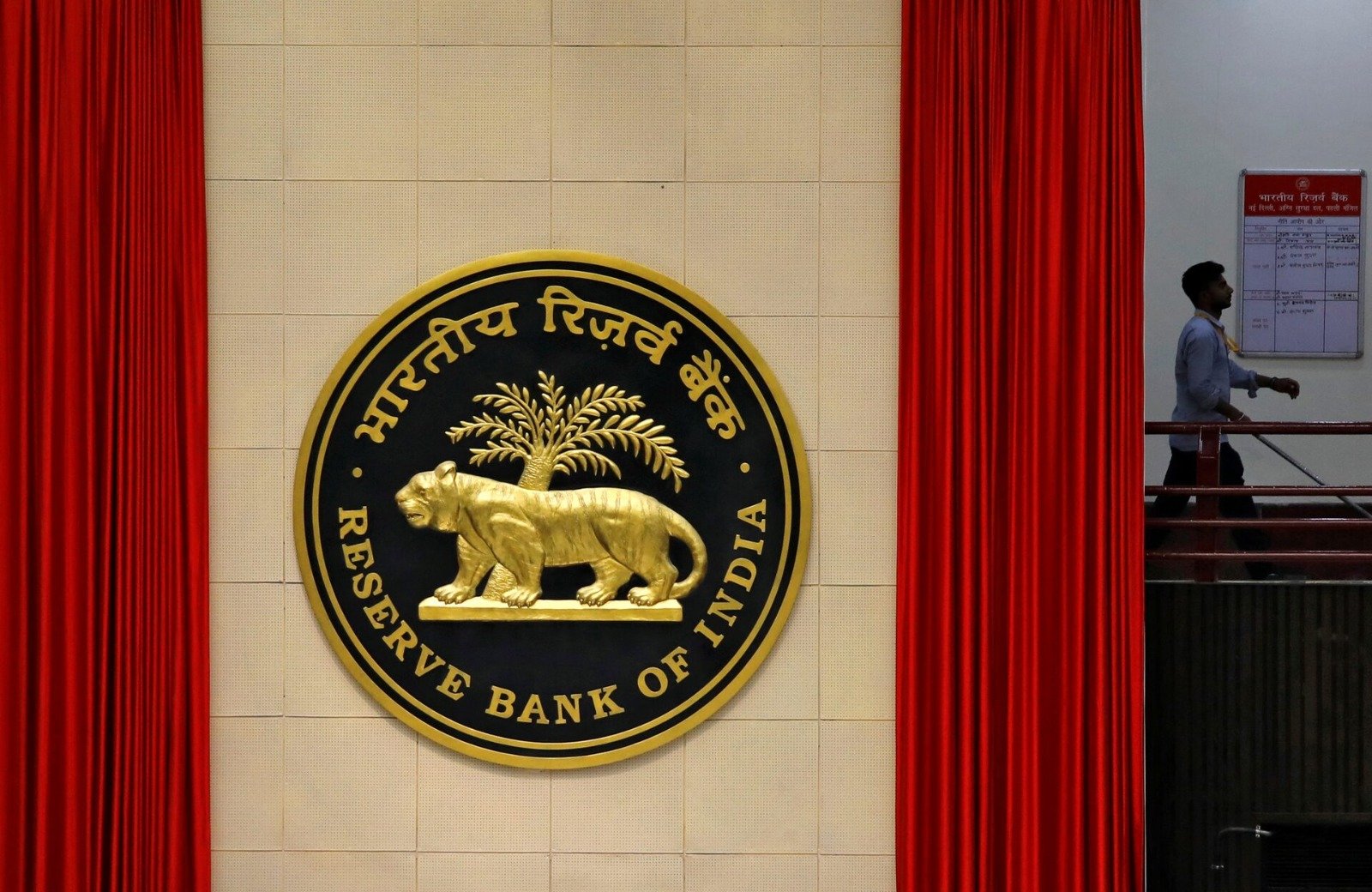
In a bid to maximize foreign capital inflows, several Indian lenders have approached the Reserve Bank of India (RBI) seeking permission to help individual depositors secure overseas loans against their domestic deposits. According to sources familiar with the private discussions, banks are requesting clarity on whether they can utilize a portion of Non-Resident Indian (NRI) deposits as collateral. Under this proposed mechanism, foreign banks would issue fresh leverage to depositors, allowing them to scale up and park larger sums of money into India’s high-yielding incentive schemes.
Economists estimate that if the RBI approves this process—similar to the “marking lien” system permitted during the 2013 currency crisis—the Foreign Currency Non-Resident (Bank) [FCNR(B)] program could draw up to $50 billion. To facilitate this, lenders have requested the central bank to release a comprehensive “Frequently Asked Questions” (FAQ) guide outlining the legal boundaries of overseas leverage.
This aggressive push for foreign funding comes at a critical time for India’s external finances. Escalating conflict in West Asia has made fuel imports significantly more expensive, contributing to a projected balance of payments deficit for a record third consecutive year. Furthermore, the Indian rupee has weakened by 6 percent against the US dollar this year, compounded by nearly $30 billion in local equity outflows. In response, local lenders have already launched aggressive rate hikes, offering returns as high as 7.1 percent on five-year foreign deposits. While the central bank and government have rolled out other measures—including tax cuts on Indian bonds and expanded equity limits for foreign investors—securing approval for foreign bank leverage remains a pivotal strategy to stabilize the rupee and fortify national forex reserves.