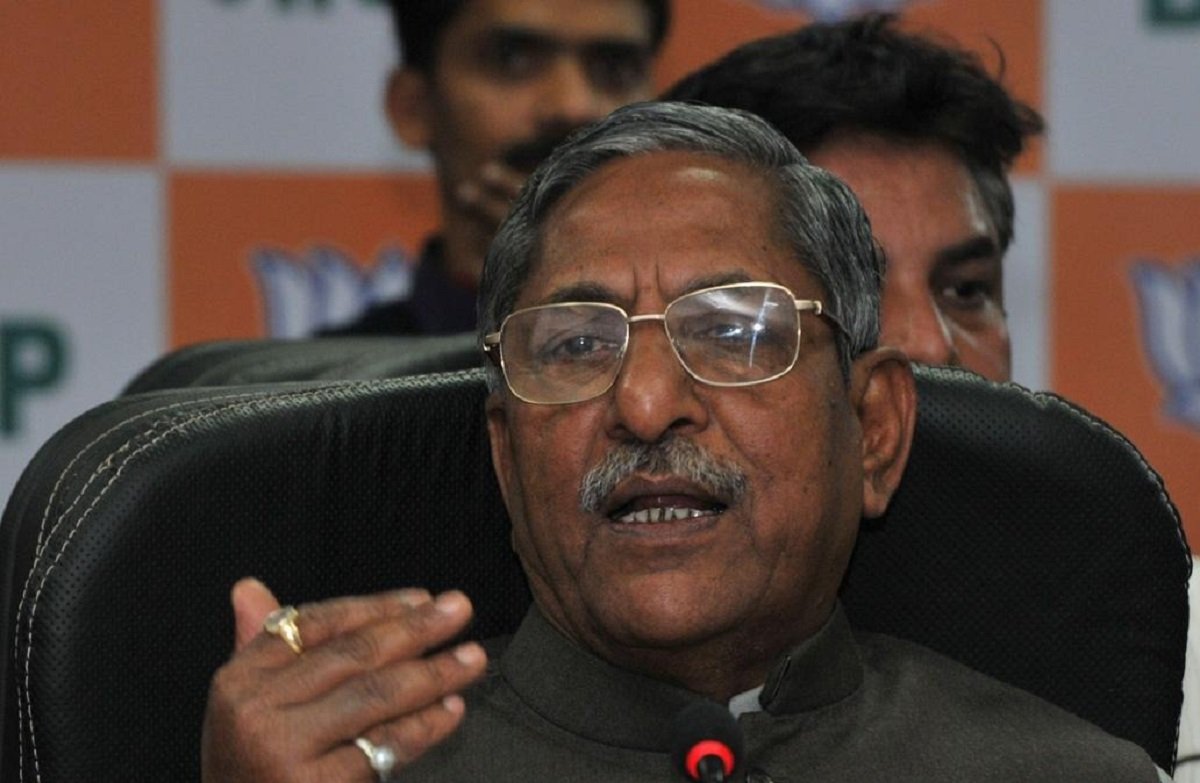
Nagaland Governor Nand Kishore Yadav stressed the need for a future-ready education system that can equip young people with the knowledge, skills, values and creativity required to contribute to India’s vision of Viksit Bharat 2047. Addressing the Byatikram Education Conclave 9.0 in Dimapur, the Governor said education remains one of the most powerful tools for social and economic transformation. He emphasised that schools and educational institutions must prepare students not only for employment but also for leadership roles and nation-building in the years ahead. The conclave was attended by educationists, academicians, school principals, teachers and students, who gathered to discuss emerging trends, challenges and opportunities in the education sector.
Speaking on the changing nature of learning, Yadav said the world is witnessing rapid technological advancements and evolving global challenges, making it essential for education systems to adapt accordingly. He noted that students must be encouraged to become lifelong learners, innovators and responsible citizens capable of responding to future demands. Highlighting the importance of educational reforms, the Governor referred to the National Education Policy (NEP) 2020 as a significant step towards modernising the country’s education system. He said the policy offers a comprehensive framework that promotes multidisciplinary learning, critical thinking, innovation, skill development and the holistic growth of students.According to Yadav, education should go beyond the traditional focus on academic achievement and help develop practical skills, ethical values and creative thinking. Such an approach, he said, would better prepare young people for a rapidly changing world while strengthening their ability to contribute meaningfully to society.
He also called upon educators, institutions and stakeholders to work together in creating an education ecosystem that nurtures talent, encourages innovation and supports the overall development of students. The Governor said collective efforts in implementing educational reforms would play a crucial role in shaping future generations and helping India realise its long-term development goals under the Viksit Bharat 2047 vision. The conclave served as a platform for discussions on the future of education and the role of institutions in preparing students for the opportunities and challenges of the coming decades.