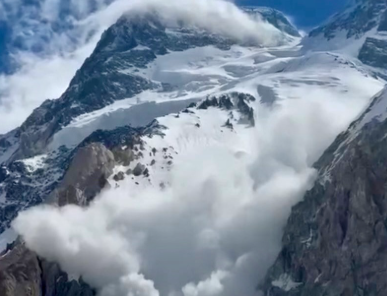
Europe has been identified as the world’s fastest-warming continent, with rising temperatures driving increasingly severe and frequent heatwaves that are disrupting daily life across multiple countries. Scientists and climate observers warn that the accelerated warming trend is amplifying extreme weather events, placing pressure on public health systems, infrastructure, and economic activity.
Recent heatwaves have led to record-breaking temperatures in several regions, forcing governments to issue health warnings, impose work restrictions, and take emergency measures to protect vulnerable populations. Hospitals have reported increased cases of heat-related illnesses, while transport networks, energy grids, and agricultural sectors have all faced operational challenges due to extreme heat conditions. In some areas, wildfires have also been exacerbated by prolonged dry spells and soaring temperatures.
Experts attribute the rapid warming in Europe to a combination of global climate change and regional factors that intensify temperature extremes. The continent is warming at nearly twice the global average, making it particularly susceptible to heat-related disruptions. Scientists caution that without significant reductions in greenhouse gas emissions, such extreme weather patterns are likely to become more frequent and intense in the coming decades.
Governments across Europe are increasingly investing in climate adaptation strategies, including improved early warning systems, urban cooling initiatives, and infrastructure upgrades designed to withstand extreme heat. However, climate advocates argue that mitigation efforts must be accelerated alongside adaptation measures to address the root causes of rising temperatures.
The growing intensity of heatwaves is also reshaping public behavior, with citizens adjusting work hours, travel plans, and outdoor activities to cope with harsh conditions. As Europe continues to experience record warmth, the urgency of addressing climate change has become more pronounced, highlighting the need for coordinated global action to limit further warming and reduce long-term risks.