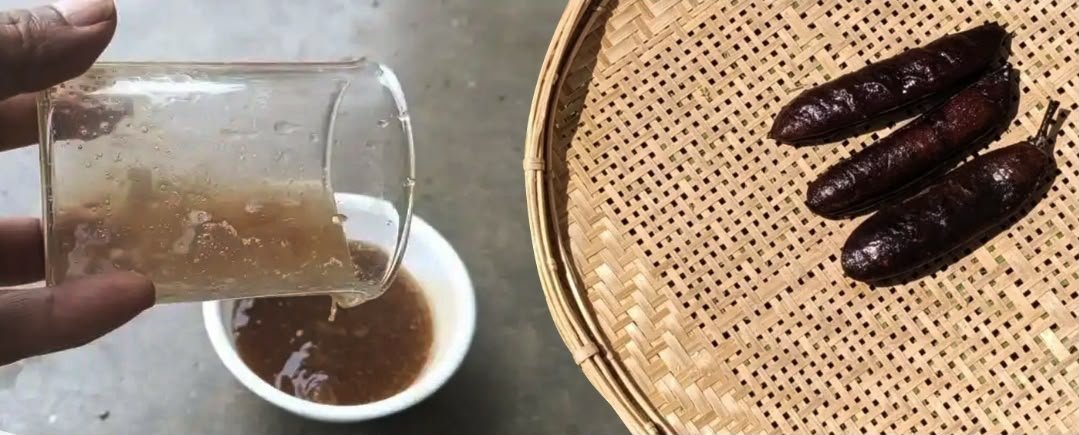
Arunachal Pradesh has demonstrated how biodiversity and indigenous knowledge can drive sustainable innovation, with the successful development of a natural hand wash from native plant Dekang/Dika(Gymnocladus burmanicus) by Dr. Temin Payum and his research team.
The eco-friendly formulation offers a sustainable alternative to synthetic hand washes by using extracts from Dekang/Dika, a tree traditionally known to local communities for its cleansing properties. The innovation bridges traditional wisdom with modern scientific research and validation.
The core product uses extracts of Dekang/Dika pods processed through aqueous, ethanol, and solvent methods. In laboratory analysis, the three variants all displayed strong cleansing action, natural foaming, and a pH between 6.3 and 7.2, well within the skin-friendly range. Foam levels measured 20–25 ml, and samples stayed free of microbial contamination for two weeks without any synthetic preservatives or surfactants.
Blind testing with 15 volunteers backed up the lab results. Participants reported that the hand wash cleaned effectively, left skin feeling soft, and caused no irritation. Overall performance was found comparable to standard commercial products, despite being made entirely from natural ingredients.
Researchers noted that the formulation lends itself to customisation. Natural ingredients like neem, aloe vera, Vitex negundo, glycerine, essential oils, and plant-derived colours can be added to enhance moisturizing properties, scent, and appearance. This flexibility positions the product for the expanding herbal and sustainable hygiene market.
The Dekang/Dika tree itself is a key asset. It grows at 350–700 metres and yields long brown pods containing saponins, the natural compounds responsible for foaming. Each mature tree can produce over 100 kg of pods a year. Researchers say this creates real opportunities for community-level pod collection, local processing, and village-based enterprises.
The breakthrough opens new avenues for rural entrepreneurship, value addition to local bio-resources, biodiversity conservation, and livelihood generation for communities. The hand wash project demonstrates how native flora can be leveraged for green products with market potential.
Dr. Temin Payum, an associate professor of Botany serving in Pasighat-based Jawaharlal Nehru College in East Siang district in Arunachal Pradesh, has also concocted ‘herbal healing tea’ earlier in 2024, which is said to be helpful in curing a number of ailments.
Arunachal Scientists Create Natural Hand Wash From Native Dekang/Dika Plant