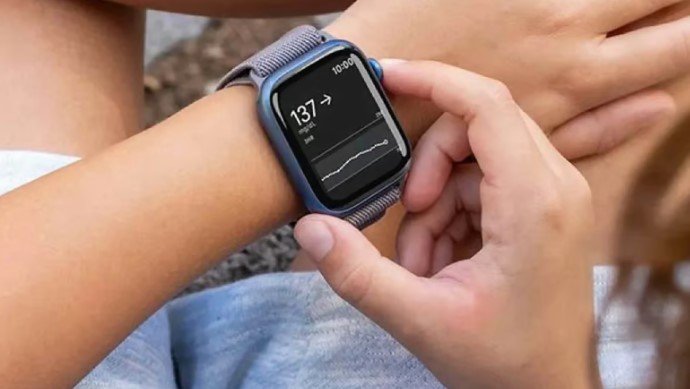
Apple’s highly anticipated ambition to introduce non-invasive blood sugar tracking directly to the Apple Watch faces a prolonged timeline, with current industry forecasts estimating a commercial debut no earlier than 2027. For over a decade, Apple has quietly advanced “Project E5,” an internal initiative aiming to measure glucose levels without piercing the skin. The underlying technology relies on a sophisticated optical process called silicon photonics, which utilizes lasers and absorption spectroscopy to beam specific wavelengths of light through the skin to measure glucose concentrations in the interstitial fluid. While Apple successfully hit a major “proof-of-concept” milestone by shrinking the sensor setup down to the size of an iPhone, engineering teams continue to struggle with the monumental challenge of downsizing this complex hardware into a module thin enough to fit comfortably inside a standard smartwatch chassis.
Beyond the grueling physics of hardware miniaturization, Apple must navigate a minefield of regulatory and legal challenges before the feature can ever reach consumers. The U.S. Food and Drug Administration (FDA) maintains a strict stance on unauthorized wearables, issuing explicit safety warnings against smartwatches that claim standalone, non-invasive glucose tracking due to severe accuracy risks that could lead to life-threatening insulin dosing errors. Furthermore, Apple’s health-sensing roadmap remains entangled in aggressive intellectual property warfare. While a federal patent board ruling recently handed Apple a minor victory by invalidating a competitor’s generalized blood glucose sensor patent, the tech giant was simultaneously ordered by a California jury to pay health-tech rival Masimo $634 million in damages over a separate pulse oximetry patent dispute. Until Apple refines its optical accuracy to satisfy stringent medical-grade thresholds and clears its ongoing litigation hurdles, users managing metabolic health will have to rely on traditional workarounds, using the Apple Watch merely as a secondary display for paired, third-party continuous glucose monitors like the Dexcom G7