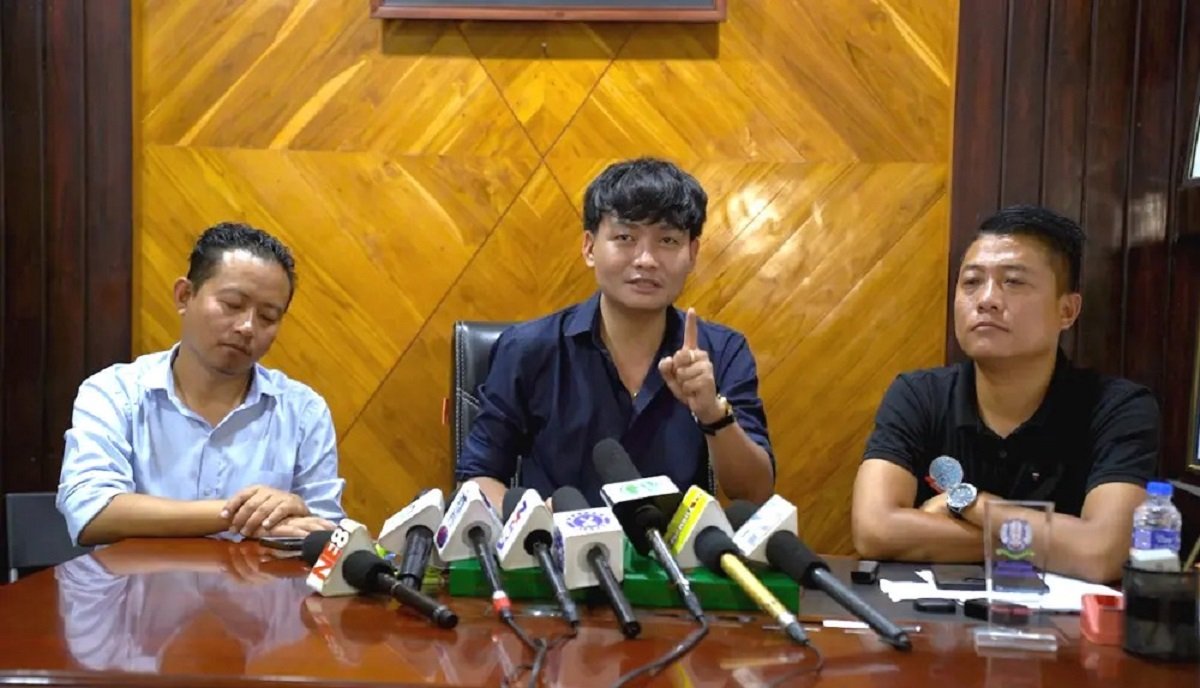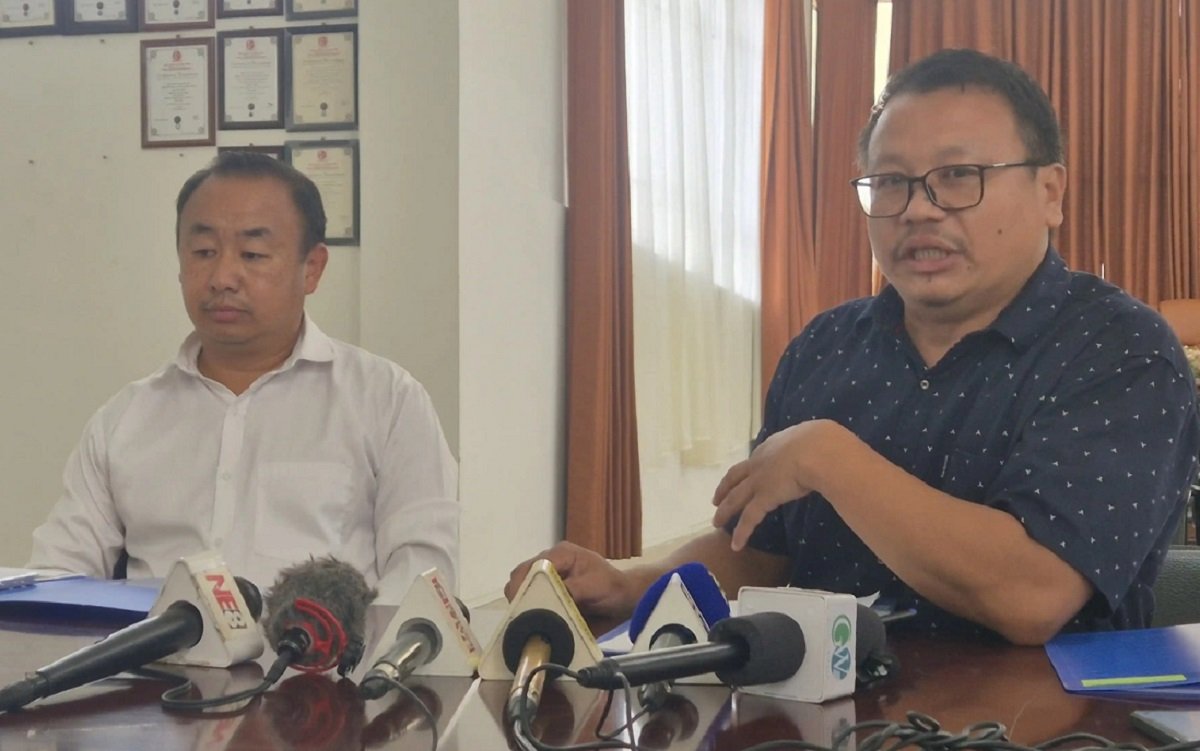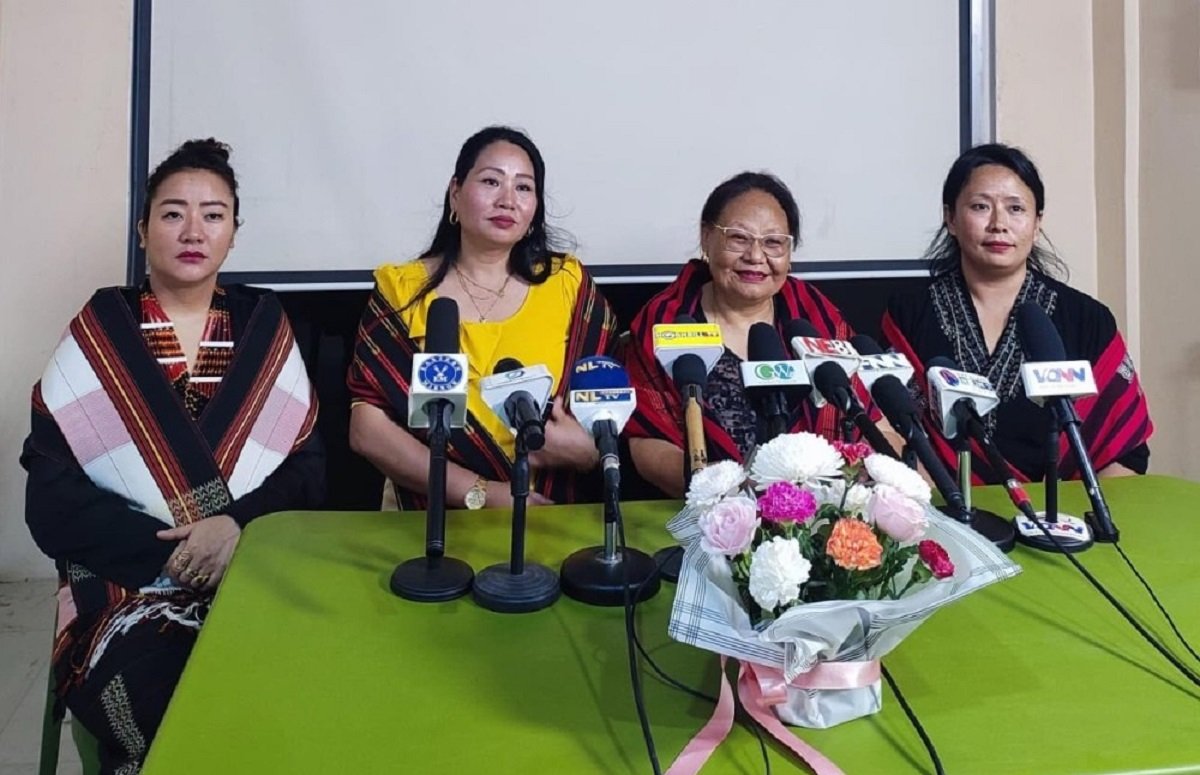
Women leaders from across political parties and organisations in Nagaland came together in Dimapur on April 17 to push for the early implementation of the 33 per cent women’s reservation, calling it a long-awaited step towards fair representation and inclusive governance.
The “Women’s Conference on the 33% Women Reservation Bill” was organised by the BJP Mahila Morcha at Town Hall in Dimapur. The event saw participation from leaders of different parties and civil society groups, who spoke in one voice on the need to move forward without delay on the reservation issue.
Speaking at the conference, Vikali A Zhimomi, working president of the NPF Women Wing, described the legislation as a defining moment in India’s democratic journey. She said the bill is not just about politics, but about recognising the role women have played in society for generations. “The voices that have built our homes, economy, and culture have remained underrepresented in law-making spaces for decades,” she said.
Zhimomi stressed that representation is a matter of justice and not a favour. She said greater participation of women in governance would lead to better policies in key areas such as healthcare, education and economic development. She also appreciated the leadership of Narendra Modi, noting that reforms of this scale require strong political will.
Dimapur Municipal Council deputy chairperson Imlinaro Ezung shared her personal experience, saying reservation policies helped women like her enter public life. She pointed to the 2024 Urban Local Body elections as a turning point, where a large number of women contested and won seats, even in general categories. According to her, 198 women took part in the elections and more than 100 were elected, showing that women are ready to take on leadership roles.
Ezung said the elections were peaceful and progressive, and highlighted that even the Supreme Court of India had acknowledged the success of women’s participation in the state. She also credited the state government, led by Chief Minister Neiphiu Rio, for taking steps to strengthen women’s representation through reservation in urban local bodies and gender-focused policies.