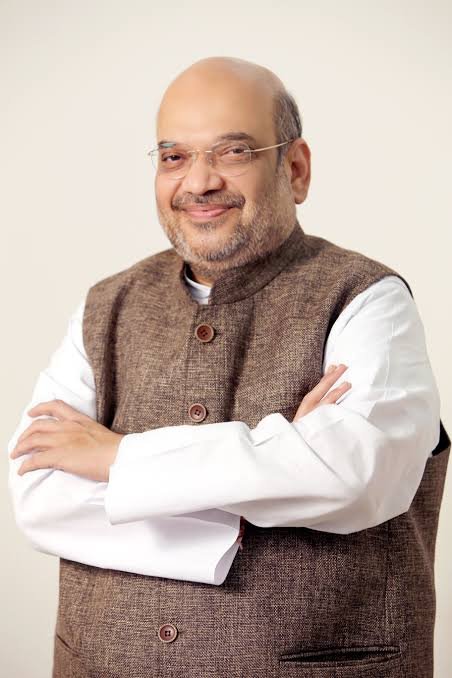
With the goal of completely eradicating the drug menace from the country, Union Home Minister Amit Shah has launched a crucial three-year national programme, the “Vision Document on Drug Control (2026-2029)”. This new programme was announced at the 10th apex meeting of the Narco-Coordination Centre (NCORD), organised by the Narcotics Control Bureau (NCB). According to the Home Minister, the entire plan is based on three core principles: Locate, Disrupt, and Destroy.
Its main objectives are: Within the next three years, 100 major inter-state and international drug trafficking syndicates will be identified and completely dismantled. The aim is not to stop at arresting small-time carriers, but to destroy the masterminds and the entire business network behind the trade. Seizure of all assets acquired through the drug trade has been made mandatory.
The report states that drug traffickers are currently using social media platforms like Telegram, WhatsApp, and Signal for buying, selling, and delivering drugs. The auto-delete message feature on these platforms makes it difficult for police to collect evidence. To face this challenge, the government has announced the use of drone technology, AI-powered profiling, and modern container scanning systems.
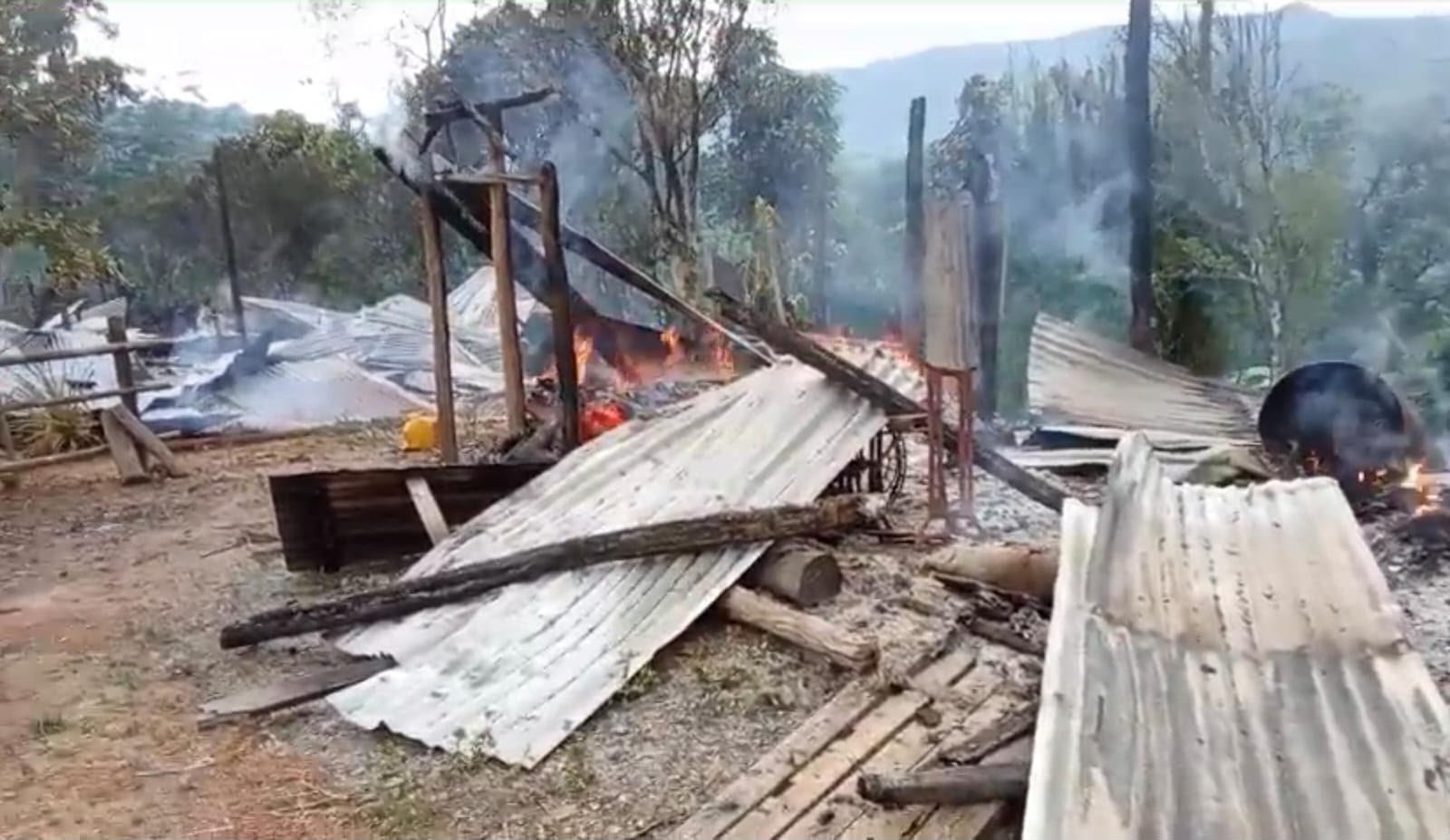
According to the Narcotics Control Bureau’s Annual Report 2025, the Myanmar border has become the biggest drug trafficking route for India. Large quantities of heroin and methamphetamine are being trafficked, especially via Manipur’s National Highway 102 and Mizoram’s Champhai region, into Assam’s Barak Valley. In 2025 alone, 1,477 kg of banned narcotic tablets were seized in Mizoram and 535 kg in Manipur. Additionally, drug trafficking using fishing boats has also been observed to be increasing along the coastal areas of Gujarat, Maharashtra, and Tamil Nadu.
Beyond legal measures, there are plans to transform the fight against drugs into a mass movement. The aim is to conduct a nationwide awareness campaign covering more than 50 crore citizens. The plan also includes developing all higher educational institutions and college campuses as “Drug-Free Campuses” and arranging counselling and preliminary screening systems for students.