Businesses across Dimapur are facing a difficult period, with traders reporting a significant decline in sales, reduced customer footfall and increasing financial pressure amid a broader slowdown in commercial activity.
A week-long survey conducted across the city from May 25 to May 30 found that traders from different sectors were experiencing a similar trend, with many estimating that business had fallen by more than 50 per cent compared to previous years.
The survey covered a wide range of businesses, including electronics shops, clothing stores, footwear outlets, restaurants, hardware dealers, vegetable vendors, pan shops and second-hand clothing sellers. Traders from all sectors expressed concern over the current market situation.
Several business owners said customer turnout had declined sharply over the past few months. A retailer dealing in garments said there were now long stretches during the day without a single sale, a situation that was rare in previous years. Similar observations were shared by traders operating in other parts of the city.
Many respondents attributed the slowdown to rising fuel prices, which they said had increased transportation costs and pushed up the prices of goods. According to traders, higher prices have affected consumer spending and reduced purchasing power.
“Prices of almost everything have increased because of rising fuel costs,” one retailer said, adding that customers are becoming more cautious about spending.
The impact has been particularly severe on small traders. An elderly vegetable vendor at New Market said there were days when her earnings were not enough to cover daily expenses. She explained that unsold vegetables often spoiled, resulting in further losses after accounting for transportation charges and market fees.
Some traders also pointed to structural changes in the region’s trading network. They claimed that the relocation of several godowns and wholesale supply centres to neighbouring districts in Assam had affected Dimapur’s role as a major commercial hub. According to them, the shift has disrupted supply chains and diverted business activity away from the city.
Interestingly, traders largely rejected weather conditions as a reason for the decline. They noted that in previous years, markets remained crowded even during the peak summer months, suggesting that other economic factors were responsible for the downturn.
Another issue highlighted by several respondents was the burden of what they described as multiple taxation. While acknowledging payments made to underground groups, some traders alleged that they were also expected to make contributions to various organisations in the form of donations.
“These payments add to our burden, especially when sales are already low,” a hardware dealer said.
A restaurant owner said many small businesses were struggling to survive. “We are barely managing to pay rent and meet our daily expenses. On top of that, we face multiple financial demands,” he said.
Traders were also asked whether stricter implementation of the Inner Line Permit (ILP) system had affected customer numbers. Most respondents dismissed the suggestion, saying that local residents continued to form the bulk of their customer base.
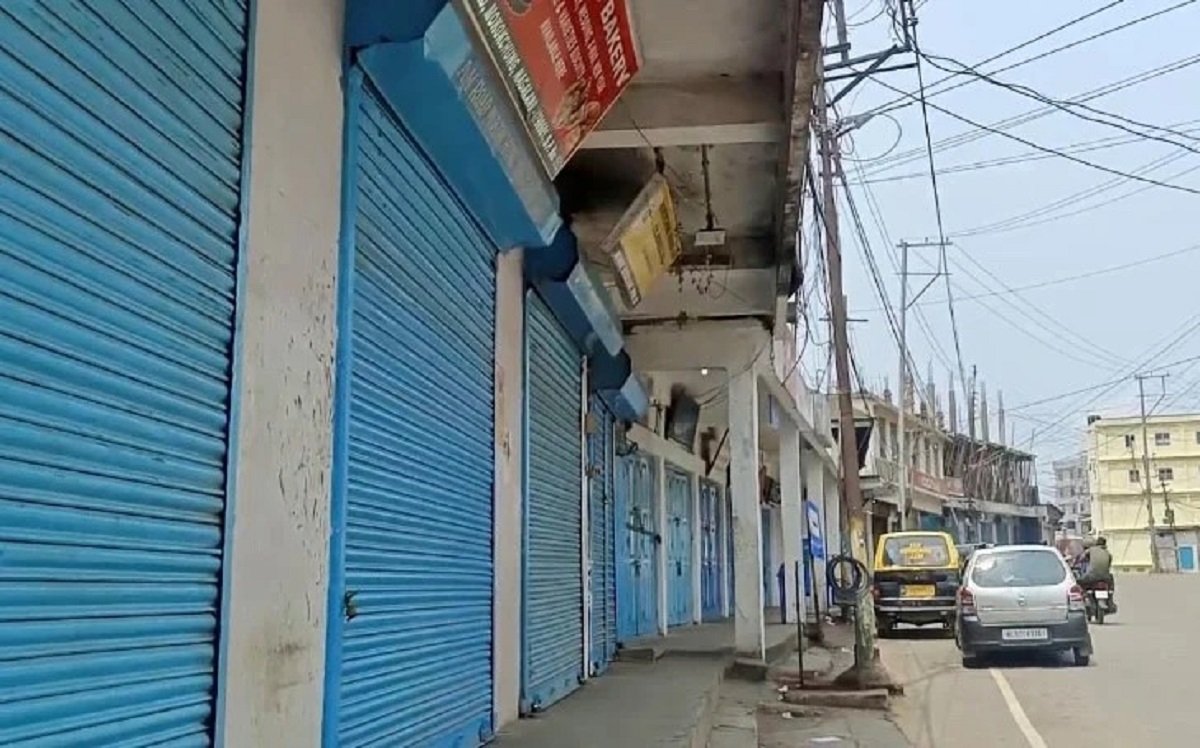
The slowdown was visible beyond individual businesses. Observations made during the survey period showed noticeably lighter traffic and fewer pedestrians in several of Dimapur’s busiest commercial areas, even during hours that would normally witness heavy activity.
Parking attendants stationed in key market locations confirmed the trend. They reported that parking spaces that were once occupied throughout the day now often remained vacant for long periods.
“Earlier, it was difficult to find an empty parking slot. Now many spaces remain vacant even during peak business hours,” one parking attendant said.
Traffic police personnel also acknowledged a decline in vehicular movement and crowd density. While one officer noted that improved traffic management through recently installed CCTV and Automatic Number Plate Recognition (ANPR) cameras had contributed to smoother traffic flow, he agreed that overall market footfall had dropped significantly.
Commercial hubs such as New Market, Hong Kong Market and Batta Charali, which were once known for bustling crowds and heavy business activity, now appear noticeably quieter. Traders say the situation reflects a broader economic slowdown that is affecting businesses across the city and has left many shopkeepers uncertain about the months ahead.