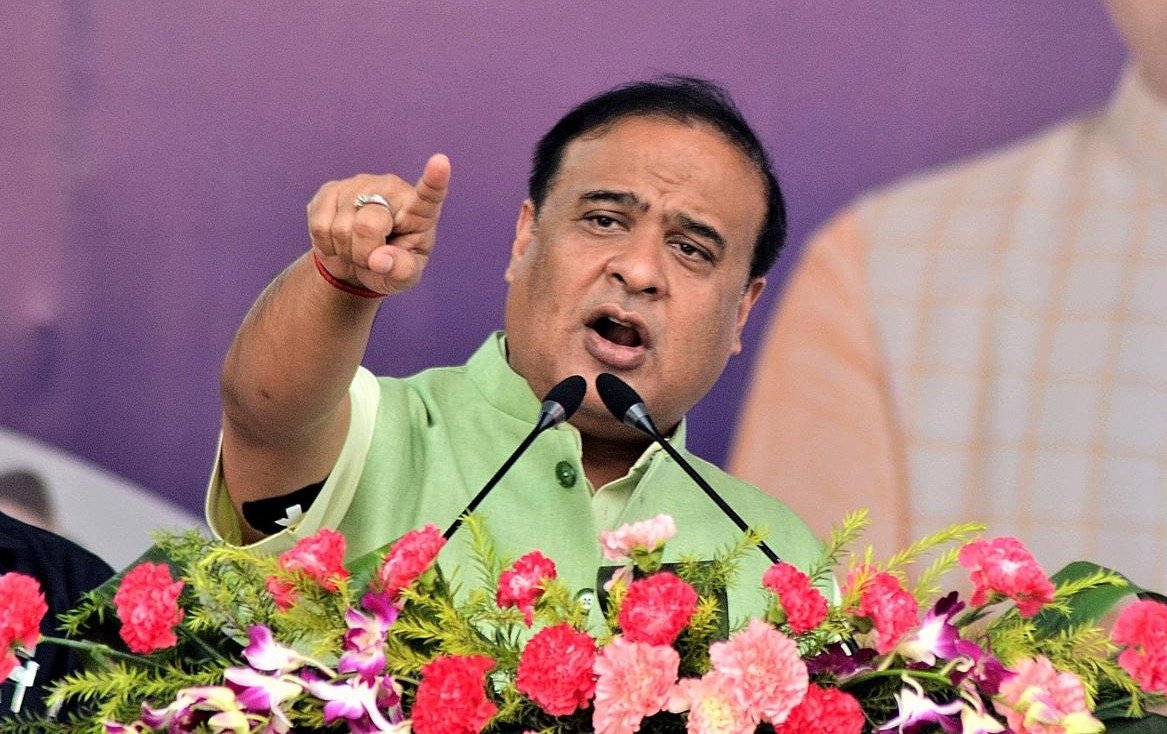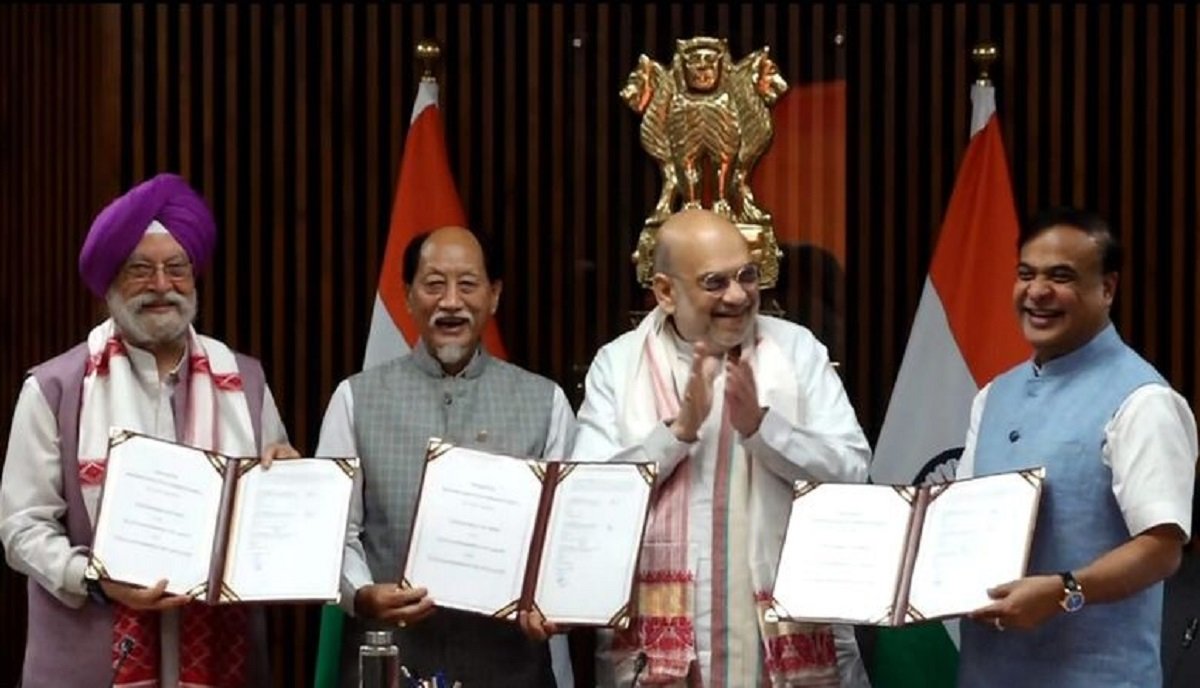
Assam and Nagaland have signed a memorandum of understanding (MoU) aimed at facilitating the exploration and utilisation of hydrocarbon resources in their disputed border areas, a move that both states hope will unlock economic potential and benefit local communities as well as the country. Assam Chief Minister Himanta Biswa Sarma on Thursday said the agreement marks an important step towards addressing a long-standing challenge that had hindered the development of natural resources in the border region. Sharing details of the development on social media platform X, Sarma said the Assam-Nagaland boundary dispute had remained a major obstacle in harnessing hydrocarbon resources available in the contested areas. He noted that the agreement, signed in the presence of Union Home Minister Amit Shah, would help remove barriers that had affected resource extraction and development for many years.
The chief minister described the border issue as a complex and longstanding matter involving several disputed areas. According to him, these areas have been classified into five categories — A, B, C, D and E. While some of the disputed regions are under the administrative control of Assam and others under Nagaland, overlapping claims and administrative arrangements had complicated efforts to utilise the available natural resources. Sarma said the newly signed MoU creates a framework for cooperation between the two neighbouring states and would enable them to share the benefits arising from hydrocarbon extraction, including royalty revenues. The agreement is also expected to facilitate exploration and production activities in areas that were previously difficult to access because of the unresolved boundary concerns. He said the arrangement would help both states work together in developing resources that are important not only for the region but also for the country’s energy needs.
Highlighting the significance of the agreement, Sarma pointed to India’s growing demand for energy and its dependence on imported hydrocarbons. He said rising global energy prices and international uncertainties have made it increasingly important for the country to explore and utilise domestic energy resources. The chief minister expressed confidence that both governments would implement the agreement in the spirit in which it was signed and work together to ensure its success. He also assured that Assam would cooperate in addressing any future issues related to the implementation of the pact. Sarma said any disagreements or concerns arising during the execution of the agreement would be resolved through dialogue and mutual understanding between the two states. According to the chief minister, the ultimate objective of the MoU is to ensure that people living in the border region benefit from the responsible development of hydrocarbon resources while also contributing to the nation’s energy security.