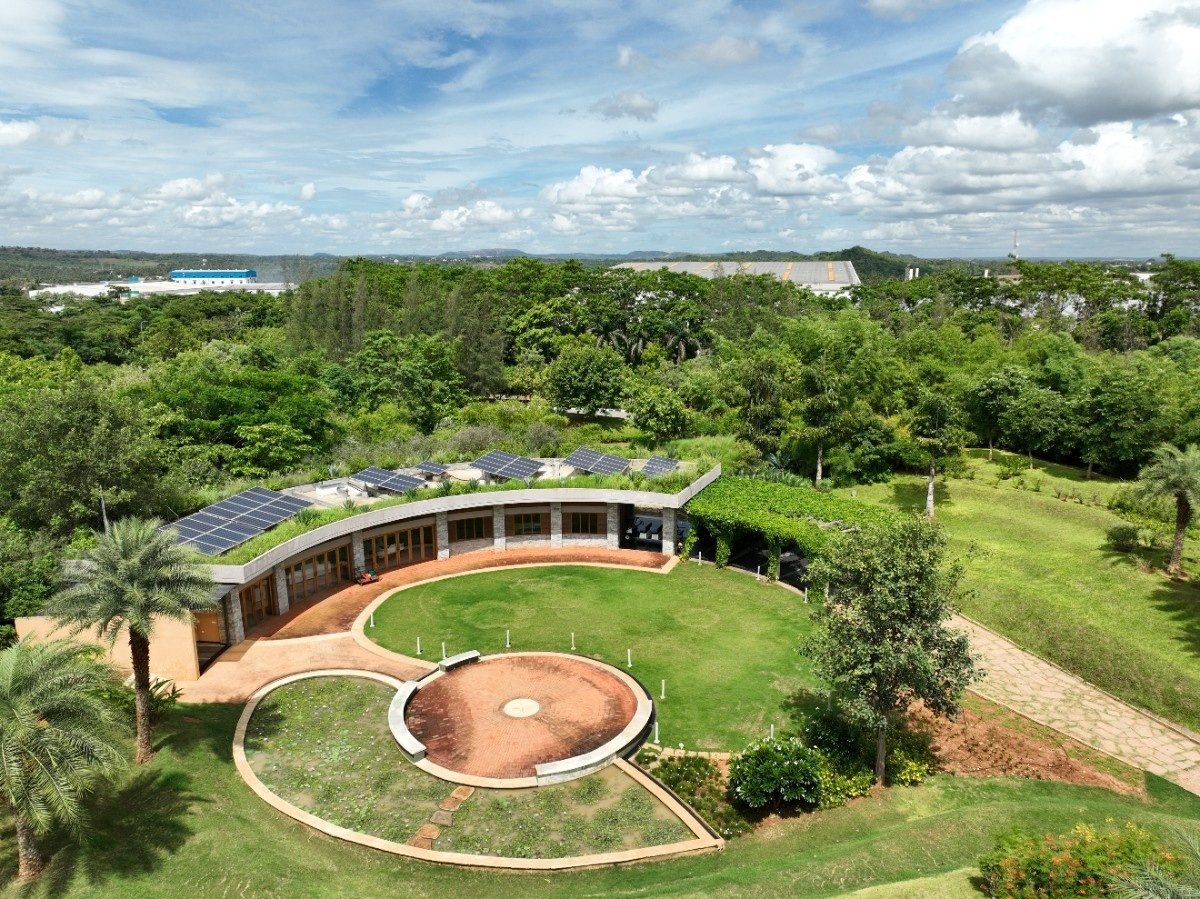
On the occasion of International Day for Biological Diversity 2026, Toyota Kirloskar Motor (TKM) reaffirmed its commitment to biodiversity conservation and environmental sustainability through a series of ecological initiatives aligned with the Toyota Environmental Challenge 2050 (TEC 2050). The company said it is integrating biodiversity protection into its manufacturing ecosystem, community engagement programmes and long-term environmental action plans under its “Respect for the Planet” philosophy. TKM has undertaken large-scale afforestation, lake rejuvenation, habitat restoration and water conservation initiatives around its Bidadi manufacturing facility. As part of its flagship Toyota Greenwave Project, the company is promoting Miyawaki afforestation and green-belt development to transform the Bidadi plant into a green sanctuary. Through its “Today for Tomorrow” and Education for Sustainable Development programmes, TKM is also focusing on conservation awareness and eco-conscious learning among students and communities. The company’s 25-acre Ecozone currently hosts more than 650 native plant species and around 400 faunal species, including several IUCN red-listed species. TKM said over 62,000 students and stakeholders have visited the ecological learning hub so far.
During the reporting period, the company planted 747 saplings within its campus and 1,492 outside. It also developed over 6.6 acres of land at the Channapatna Police Training School with around 4,090 saplings across 33 native species. TKM further stated that nearly 89% of its water requirements are met through rainwater harvesting and recycled water, while its manufacturing operations now run on 100% renewable grid electricity. The company also maintains over 96% waste recycling under its Zero Waste to Landfill approach. Speaking on the initiative, B. Padmanabha, Executive Vice President and Director, Manufacturing, TKM, said sustainability and biodiversity conservation remain central to the company’s vision of creating “Mass Happiness for All.”
In Dimapur, growing focus on sustainability and green manufacturing by major automobile companies is increasingly influencing consumer perception in the Northeast. Market analysts noted that environmentally responsible initiatives by leading brands such as Toyota are helping strengthen brand trust among younger buyers and environmentally conscious customers in Nagaland and neighbouring states.