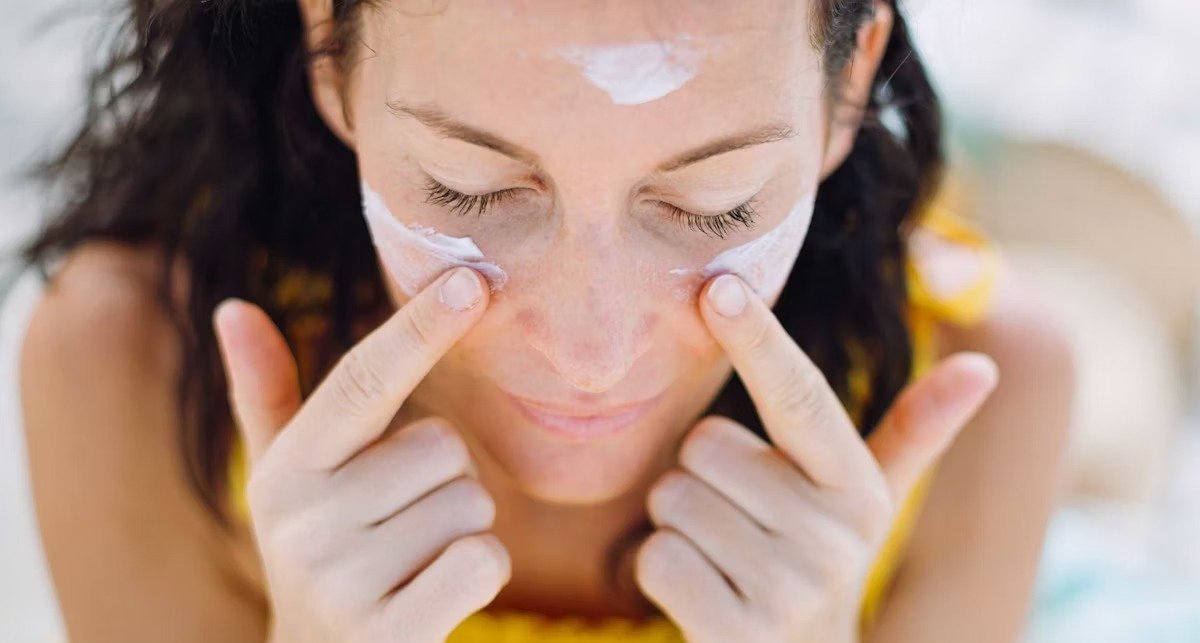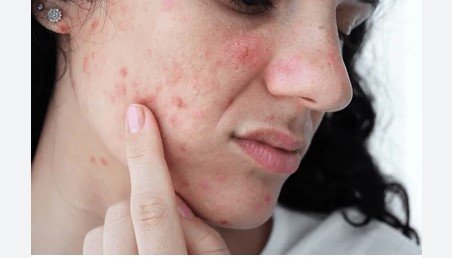
Skin diseases are increasingly affecting younger populations worldwide, with dermatologists reporting a sharp rise in conditions such as acne, eczema, fungal infections, psoriasis, and allergic skin reactions among teenagers and young adults. Experts attribute the growing burden to factors including pollution, climate change, stress, unhealthy diets, excessive screen time, and the widespread use of cosmetic and skincare products without medical guidance. Rising temperatures and humidity levels have also contributed to the spread of bacterial and fungal infections, particularly in urban areas.
Doctors say social media trends promoting unverified skincare routines are worsening skin health, especially among adolescents. Overuse of chemical-based products and frequent exposure to sunlight without protection have led to increased cases of skin sensitivity and pigmentation disorders. Mental health concerns linked to appearance-related stress are also becoming more common, as young people face pressure to maintain flawless skin.
Healthcare professionals are urging greater awareness about proper skincare habits, balanced nutrition, hydration, and early medical consultation for persistent symptoms. Public health experts warn that untreated skin diseases can significantly affect self-esteem, productivity, and overall quality of life. Governments and healthcare organisations are now focusing on preventive care campaigns and expanding access to dermatological treatment, particularly in developing countries where awareness and specialist care remain limited. Researchers believe early intervention and lifestyle changes could help reduce the long-term burden of skin diseases among younger generations.